
SDGs Activity Scoop
"SDGs Activity Scoop" features the latest updates on SDGs-related activities and research, written by student SDG Promoters at Nagaoka University of Technology. Here, you can find a wide range of articles, from everyday local actions to international initiatives aimed at achieving the SDGs.
FY2025 List of SDGs Initiatives
- June 20: HUST Research Team Visits NUT for SATREPS & COI-NEXT Projects
- June 21: Beach Cleanup × Learning
- July 4: J-PEAKS Kickoff Symposium
- July 4-5: Water and Environment Technology Conference
- August 3: Nagaoka Fireworks Festival
- August 20–22: Tokyo International Conference on African Development
- November 4: Visit to Niigata University of Pharmacy and Medical and Life Sciences
- November 11: 10th STI-Gigaku 2025
- January 27: Youth-Led Initiatives for SDGs
List of Articles for FY 2025
Explore the potential of the SDGs and discover inspiration for building a better future through these articles, fueled by the passion of our student promoters.
June 20: HUST Research Team Visits NUT for SATREPS & COI-NEXT Projects

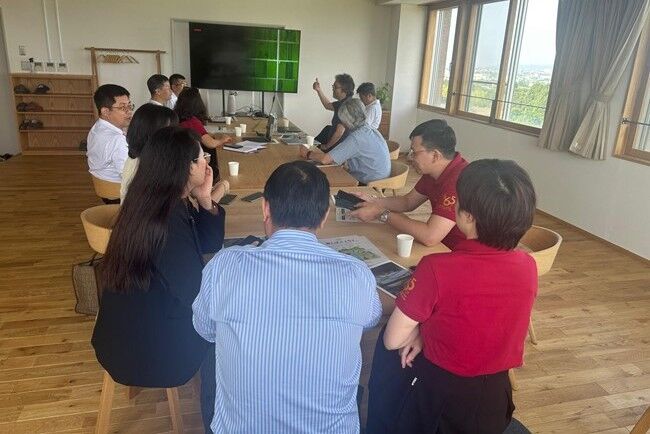
On 19 June 2025, an academic delegation from Hanoi University of Science and Technology (HUST) visited Nagaoka University of Technology (NUT) to discuss the progress of ongoing joint research projects, including the COI-NEXT and SATREPS projects. The five SDGs promoters from NUT interviewed the academic group from Viet Nam. This visit also reinforced the strong academic partnership between HUST and NUT, which has spanned over two decades. The current projects are collaborating to enhance wastewater treatment technology in the rubber industry, conduct agricultural-based research, produce protein-free rubber, and initiate efforts to promote the biodegradation of used rubber products. They also plan to expand their collaboration in nuclear safety, Mechatronics, and Mechanical Engineering.
The academic team was glad to collaborate with NUT and highlighted how this connectivity can create a sustainable solution in certain areas. This collaboration is enhanced by the student exchange programme for research and study, fostering an exchange of cultural aspects.
Furthermore, this interview provided an excellent opportunity for the SDGs promoters to engage in a friendly discussion with the academic group from Viet Nam regarding the ongoing projects and their connection to the SDGs.
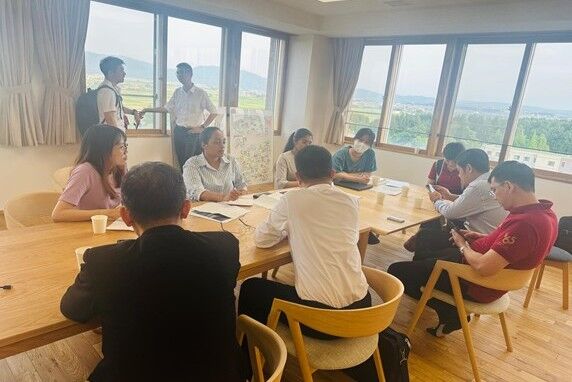
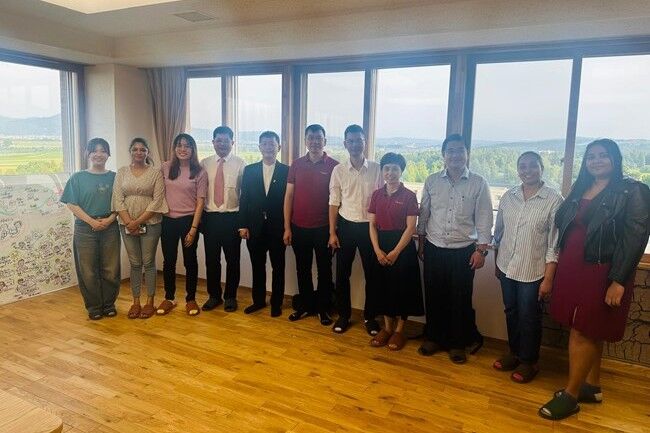

The SATREPS project focuses on sustainable agriculture and resource management in the tropics and subtropics. This initiative involves collaboration between the Japan Science and Technology Agency (JST), Japan International Cooperation Agency (JICA), Nagaoka University of Technology (NUT), and Hanoi University of Science and Technology (HUST).
Launched in 2011, the SATREPS project builds on a long-standing partnership between Nagaoka University NUT and HUST, dating back to 1999. The project has two phases: the first from 2011 to 2016 and the current phase running from 2023 to 2028. On June 19, 2025, a group of HUST members visited NUT to strengthen these partnerships and discuss advancements and progress on ongoing projects.
A key objective of the project is to develop a methodology for mass-producing protein-free natural rubber products by effectively removing 0.3% by weight of allergenic proteins. This innovation is crucial for creating safer products for individuals with latex allergies. Allergen-free natural rubber products will be more competitive in the future as they are safer, and environmentally friendly over synthetic rubber products.
Moreover, this project aligns with several United Nations Sustainable Development Goals:
Goal 3: Ensure healthy lives and promote well-being.
Goal 6: Ensure availability and sustainable management of water.
Goal 9: Build resilient infrastructure and promote sustainable industrialization.
Goal 12: Ensure sustainable consumption and production patterns.
Goal 17: Strengthen the means of implementation and revitalize global partnerships.
By addressing these goals, the SATREPS project not only enhances agricultural practices but also contributes to a sustainable future. This collaboration showcases the power of joint efforts in fostering innovation, improving lives, and promoting environmental stewardship, positioning both institutions at the forefront of research and development in sustainable practices.
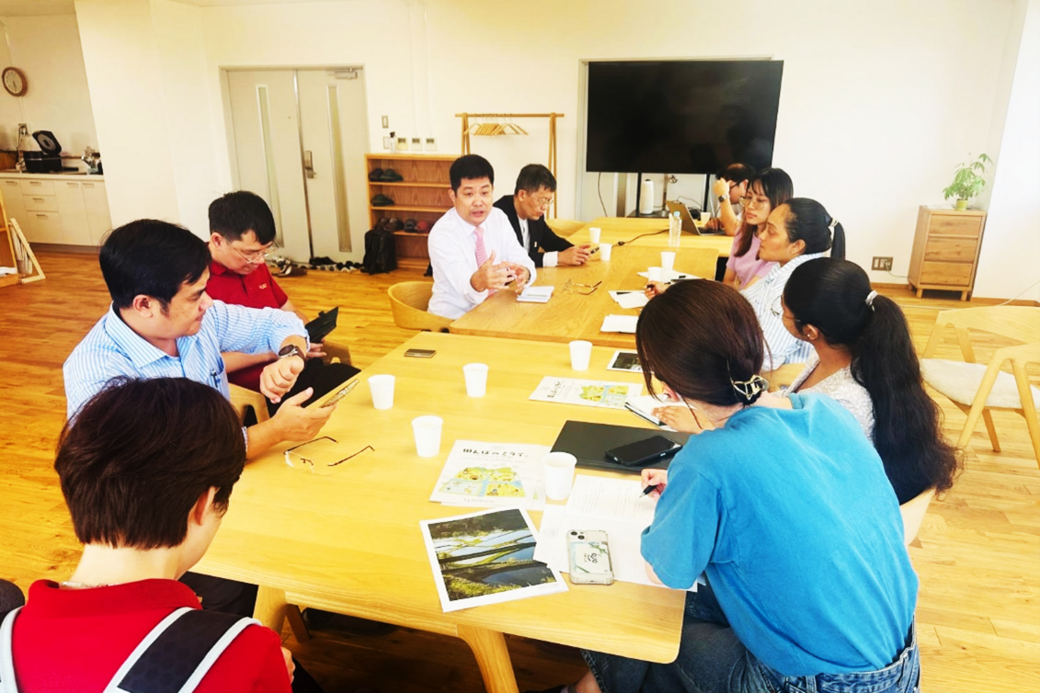
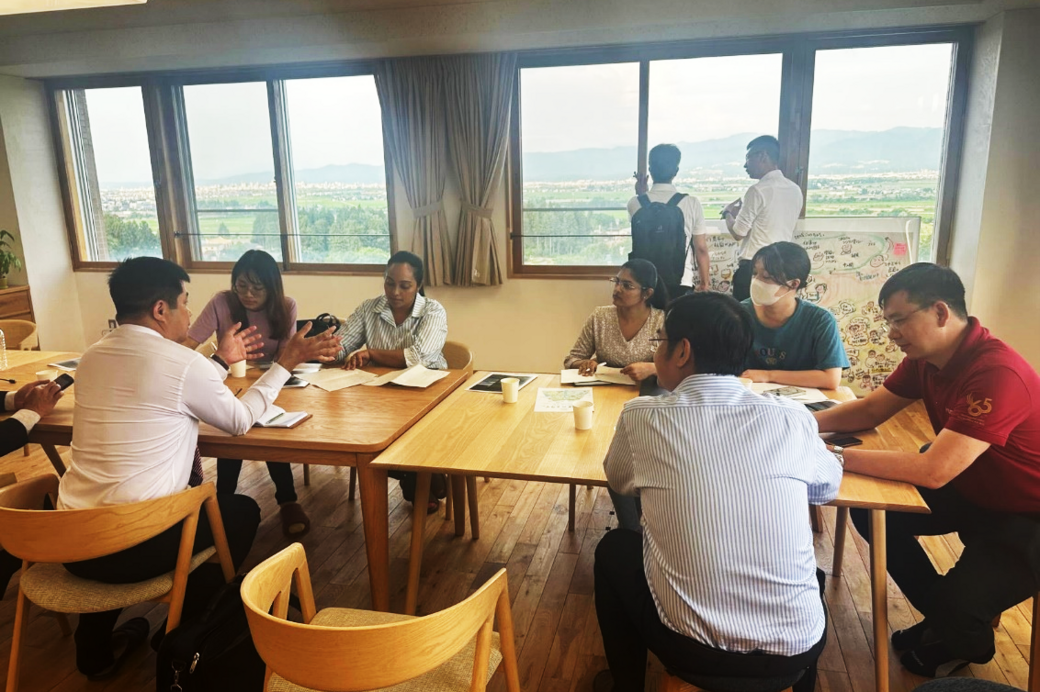

During a recent interview about the COI-NEXT project and the SATREPS project, we asked a key question: Which Sustainable Development Goals (SDGs) are the focus of this initiative?
Assoc. Prof. Chu Ky Son provided some clear insights into the rice component of the project. He highlighted several important contributions that align with the SDGs. He explained that the project has the potential to significantly reduce the carbon footprint linked to rice production. Also, by lowering the overall price of rice, the technology makes it more affordable for consumers. Assoc. Prof. Chu also pointed out the positive economic impact on workers throughout the supply chain, from sellers to buyers, indicating that the technology has helped increase farmers’ income.
Based on Assoc. Prof. Chu's detailed information, the COI-NEXT rice project appears to contribute primarily to the following SDGs: SDG 2 (Zero Hunger), as making rice more affordable helps improve food security and access for consumers. It also supports SDG 8 (Decent Work and Economic Growth), given the rise in farmer income and better pay for workers across the supply chain. Additionally, the project aligns with SDG 12 (Responsible Consumption and Production) through its effort to minimize the carbon footprint in rice production, which supports sustainable production practices. Finally, the focus on reducing the carbon footprint directly contributes to efforts against climate change, thus supporting SDG 13 (Climate Action).
June 21: Beach Cleanup × Learning

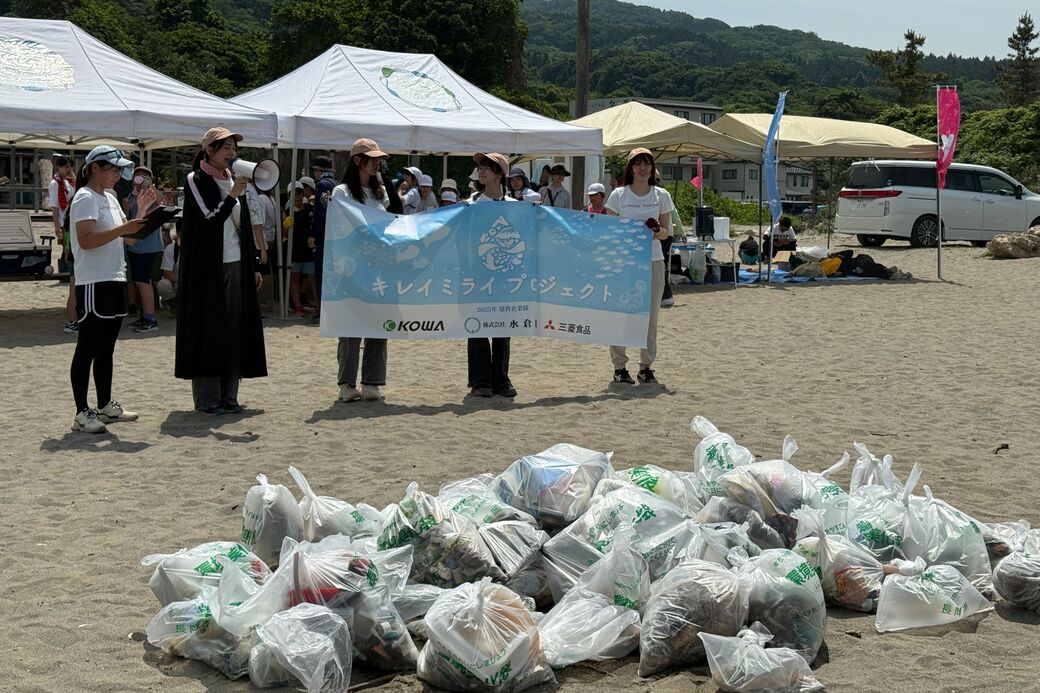
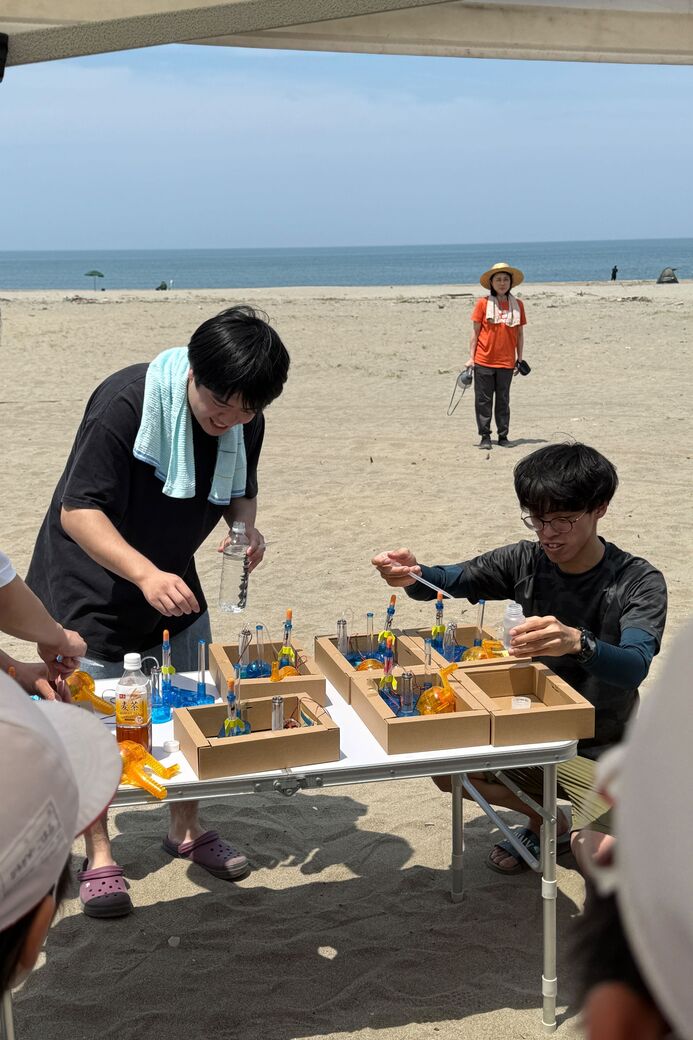
On Saturday, June 21, 2025, the “Beach Cleanup × Learning” event was held at Teradomari Beach in Nagaoka City, bringing together approximately 120 participants from diverse backgrounds, including students from Nagaoka University of Technology (NUT), Fukasawa Elementary School, NPO Lily & Marry'S, and the Teradomari Youth Group -Hane-. The event aimed to raise awareness about environmental conservation and the Sustainable Development Goals (SDGs), particularly focusing on SDG Goal14 (Life Below Water) and SDG Goal13 (Climate Action). Before the official start, students from Fukasawa Elementary School enjoyed a short demonstration of "Iron Sand Slimes" while waiting for the opening session.
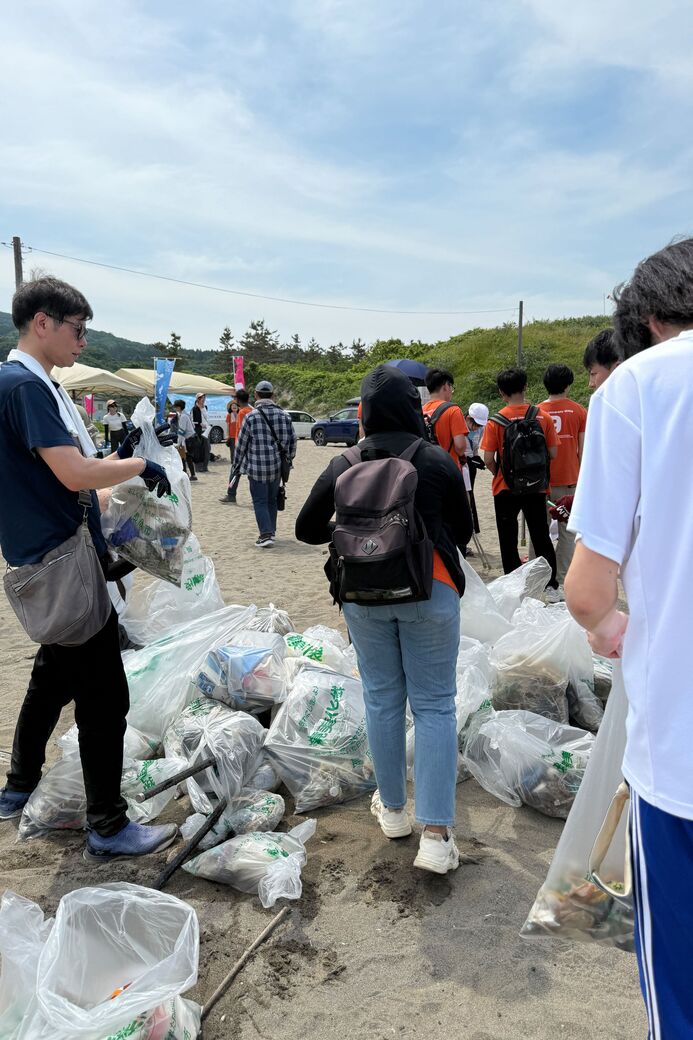
The day began with an introduction session, where representatives from each organization explained their missions, followed by team announcements. Participants, including university students and children, were grouped into mixed teams to encourage cross-generational and cross-cultural collaboration. Equipped with gloves, tongs, and plastic bags, they engaged in cleaning up the beach, learning to sort the collected waste into burnable, non-burnable, and recyclable categories. The activity emphasized the importance of proper waste disposal and highlighted the environmental impact of marine pollution.
After the cleanup, refreshments such as water and barley tea were provided by Lily & Marry’S and Hane, giving everyone a chance to relax and reflect on the day’s activities. The event then shifted to an educational and fun session, led by faculty and students from the Department of Mechanical Engineering. They demonstrated how hydrogen and oxygen can be generated from water using a simple setup of a hand-crank generator, water tank, electrolysis container, and rocket launcher. This hands-on activity not only engaged the participants but also illustrated the concept of renewable energy in an interactive way.
The event was a success in promoting the principles of SDG Goal17 (Partnerships for the Goals) by fostering collaboration between various groups. It allowed participants, especially the younger generation, to learn about the importance of teamwork, sustainability, and environmental responsibility. The cleanup and educational activities sparked meaningful conversations about how collective action can protect the environment and contribute to achieving the SDGs. Moving forward, the organizers hope to continue such initiatives to encourage learning and action toward a more sustainable future.
July 4: J-PEAKS Kickoff Symposium

The J-PEAKS project kick-off symposium took place on 4 July 2025, at the Hotel New Otani Nagaoka NC Hall, hosted by Nagaoka University of Technology and, by design, as part of a national program by MEXT to promote regional innovation and global impact through science and technology. The symposium opened with a presentation outlining the university's intention to leverage university-technical college collaboration for social impact. It was delivered in a hybrid format, allowing delegates to attend either in person or online.
Coming out of the symposium, it was evident that the challenges we face as a global society, particularly urgent social, economic, and health issues (including COVID-19) involving Africa, require innovative responses. The symposium presented the latest frameworks regarding global capabilities in AI, machine learning, and data visualization, with a call for participants to propose original research projects addressing current and future social, economic, and health challenges, as well as other pandemic-related issues. The symposium also emphasized interdisciplinary collaboration, sustainability, and partnerships with institutions such as LUT University (Lappeenranta-Lahti University of Technology, Finland).
The inauguration of two new research facilities, the Regional GX Innovation Co-Creation Centre and the DXR Manufacturing Open Innovation Centre, was recognized. These facilities focus on strengthening the fundamental industry-academia-government relationship while also developing globally relevant digital and manufacturing technologies. The symposium highlighted inclusive innovation and international cooperation in building resilience within societies. Delegates were invited to propose ideas and continue contributing to the SDGs through collaborative research and technological innovation.
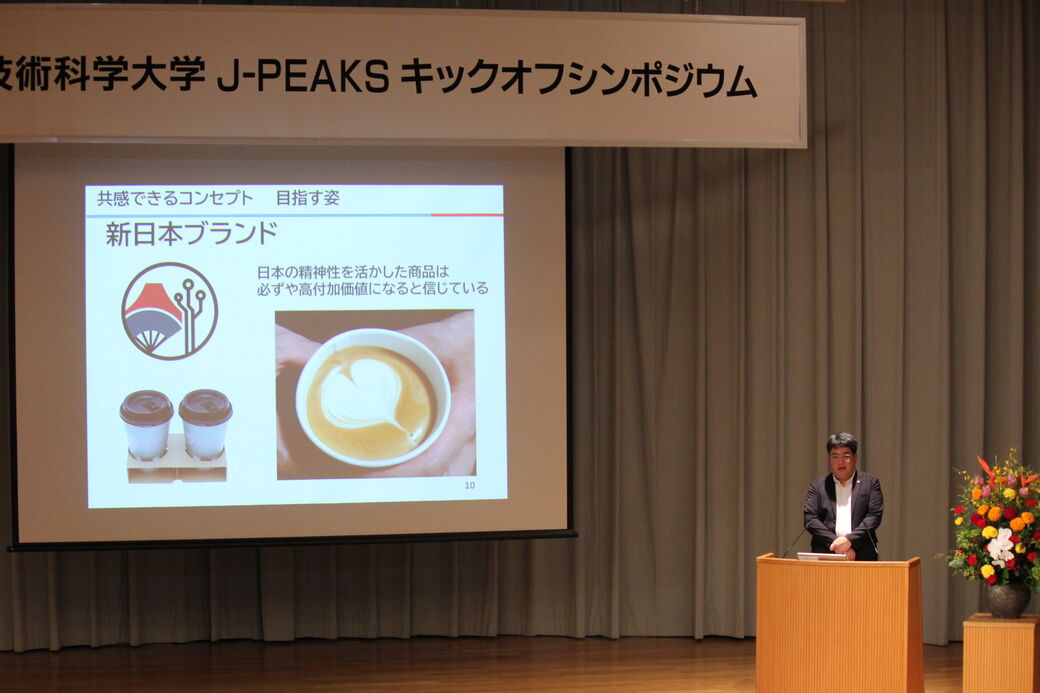

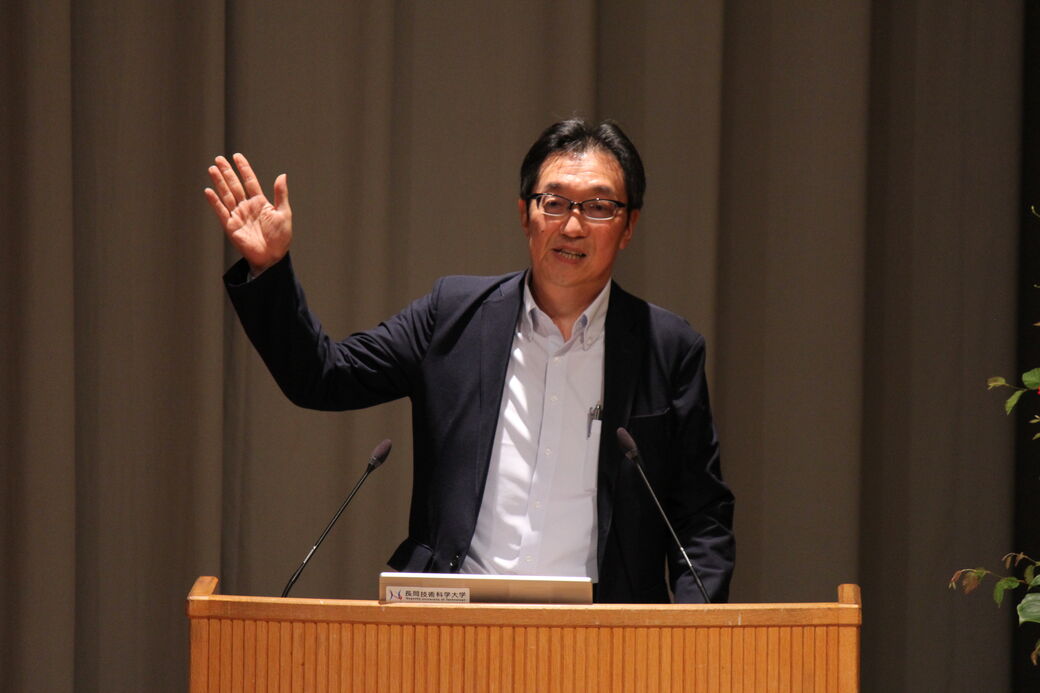
The J-PEAKS Kickoff Symposium was held on July 4, 2025, emphasizing the theme 'Beyond SDGs' and presenting innovative visions for Japan’s future society. It introduced strategic ideas including 'Beyond Manufacturing', 'Beyond Resource', 'Beyond Protection', and 'Beyond Promotion', urging a proactive approach to solving post-2030 global issues. With forecasts showing a shrinking productive population by 2040, the symposium emphasized the role of universities in creating value, innovation, and regional development. The event also highlighted Japan's craftsmanship combined with cutting-edge tech, exemplified in the ‘New Japan Brand’ concept.
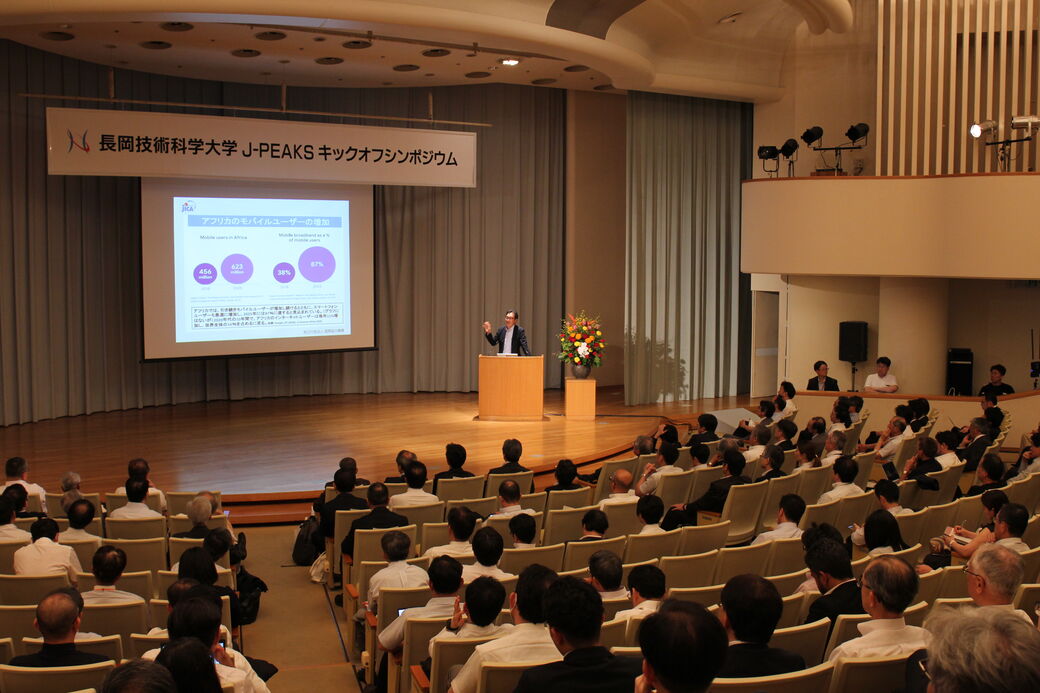
Parallelly, JICA introduced its TICAD9 Vision for Africa, showcasing Africa’s growing youth population and potential for digital leapfrogging. With only 0.3% of Japan’s FDI in Africa, JICA sees huge potential for innovation-driven investment. Key initiatives include co-creating with African youth, promoting AI, GX, DX, and space technologies, and enhancing collaboration via programs like TOMONI Africa and Project NINJA. Nagaoka University of Technology aims to attract 250 African students and create a platform to solve shared social challenges through science and innovation.
July 4-5: Water and Environment Technology Conference

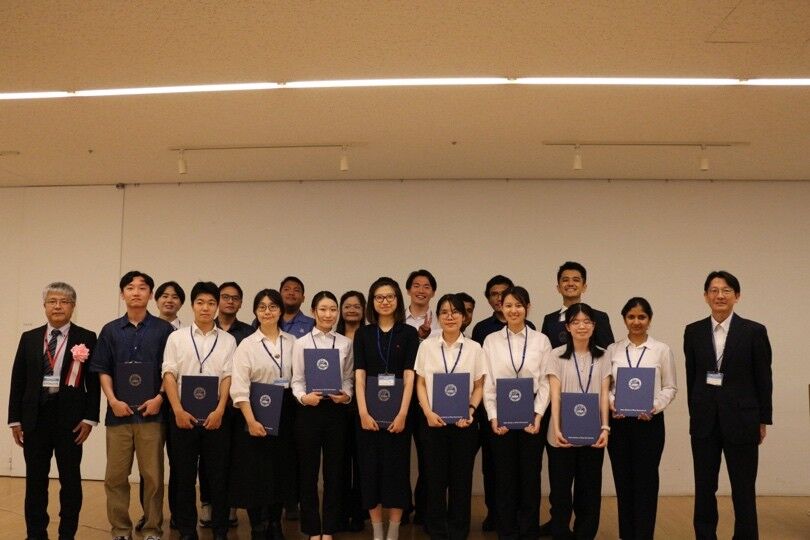
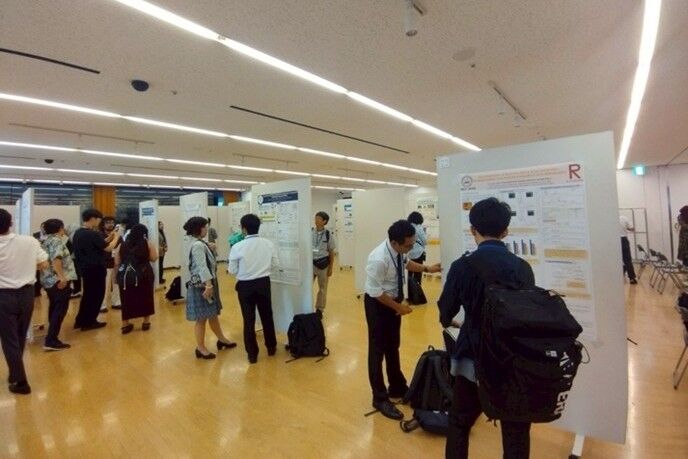
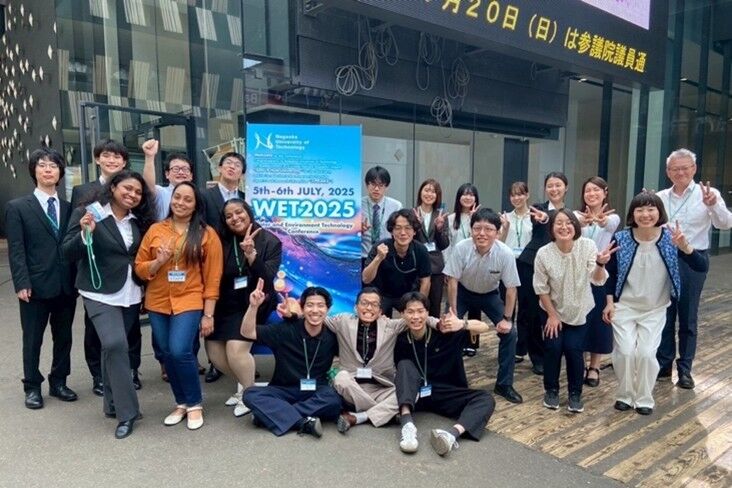
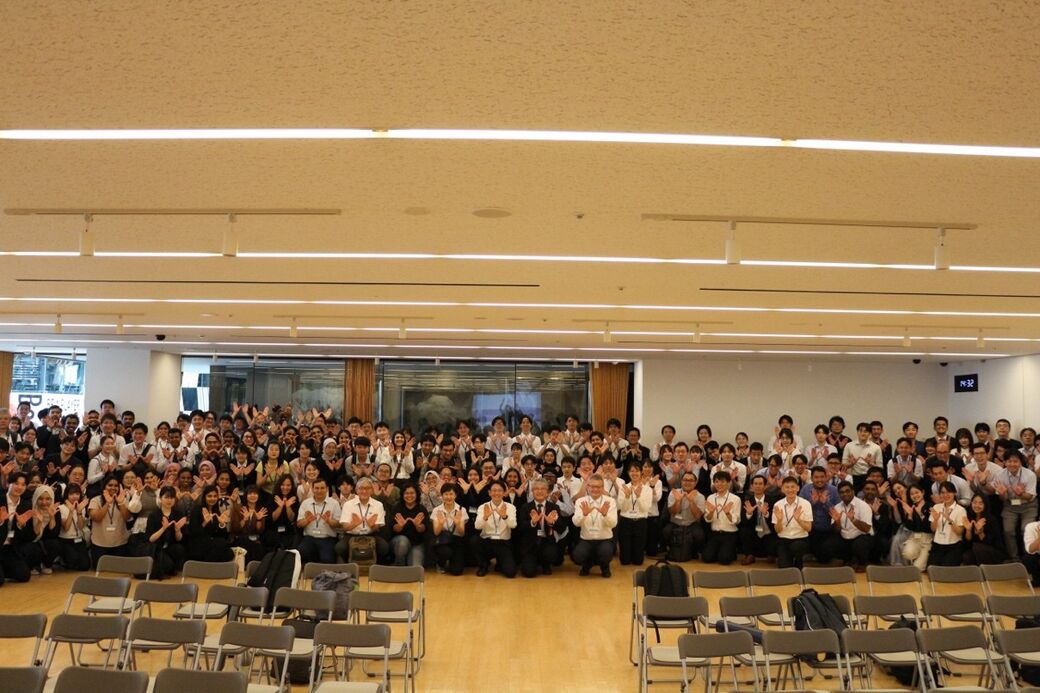
The Water and Environment Technology Conference 2025 (WET 2025) was successfully held on July 5th and 6th at Aore Nagaoka City Hall. This prestigious annual event, organized by the Japan Society on Water Environment (JSWE) and hosted this year by Nagaoka University of Technology (NUT), welcomed nearly 300 participants from 30 countries, including researchers, professionals, and students.
The conference served as a unique platform, promoting the exchange of cutting-edge knowledge and fostering international collaboration in environmental analysis, water treatment technologies and sustainable innovation. Through oral and poster presentations, Q&A discussions, and networking sessions, participants explored how science and innovation can drive progress toward achieving the Sustainable Development Goals (SDGs) with a focus on Goal 6 (Clean Water and Sanitation) along with Goals 9 (Industry & Innovation), 11 (Sustainable cities), 14 (Life below water), and 17 (Partnerships for the Goals).
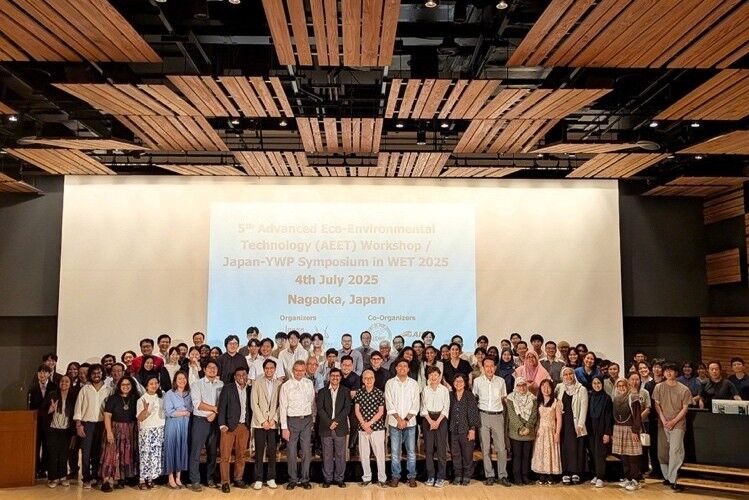
Prior to WET 2025, the Japan Young Water Professionals (YWP) symposium (the 5th Advanced Eco-Environmental Technology workshop) was held on July 4th, where internationally renowned researchers shared cutting-edge research insights, providing invaluable learning opportunities for emerging professionals.
It was a great honor for NUT students and faculty members to be actively involved in organizing this international conference, both as participants and organizing committee members. The conference reinforced NUT's position as a hub for environmental innovation and international collaboration. Our university remains committed to addressing global environmental challenges and accelerating SDGs progress through continued involvement in international academic forums like WET.
August 3: Nagaoka Fireworks Festival

Event Background:
The Nagaoka Fireworks Festival holds a special place in Japan's history, born from a spirit of resilience that has been tested twice. The festival was founded in 1946 as a war-damage reconstruction event, carrying on a tradition of hope for generations. This spirit was rekindled after the devastating Niigata Prefecture Chuetsu Earthquake in October 2004, which caused enormous damage to the region.
In response to this second tragedy, the Phoenix Fireworks were created as a new tradition. Launched with the desire to cheer up the many people affected and to serve as a symbol of gratitude to those who supported the reconstruction, the "Reconstruction Prayer Fireworks Phoenix" is a powerful display of the community's strength.


Today, it stands as one of the country's most significant cultural events, drawing over a million people. With such a massive crowd, the demand for sanitation and hygiene facilities is immense, the long queues at the temporary restrooms are common to be seen every year.
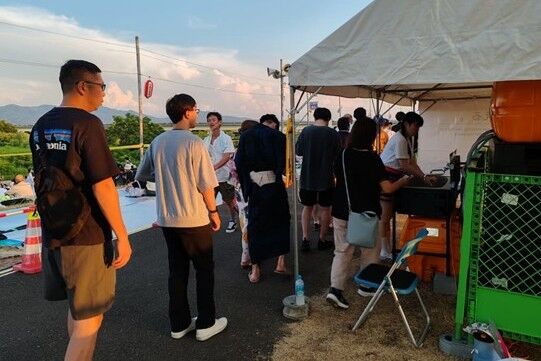
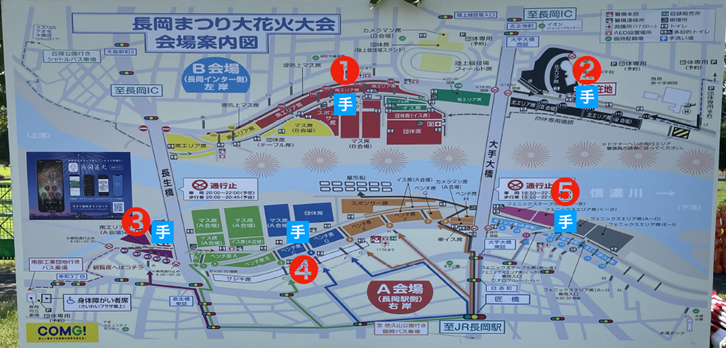
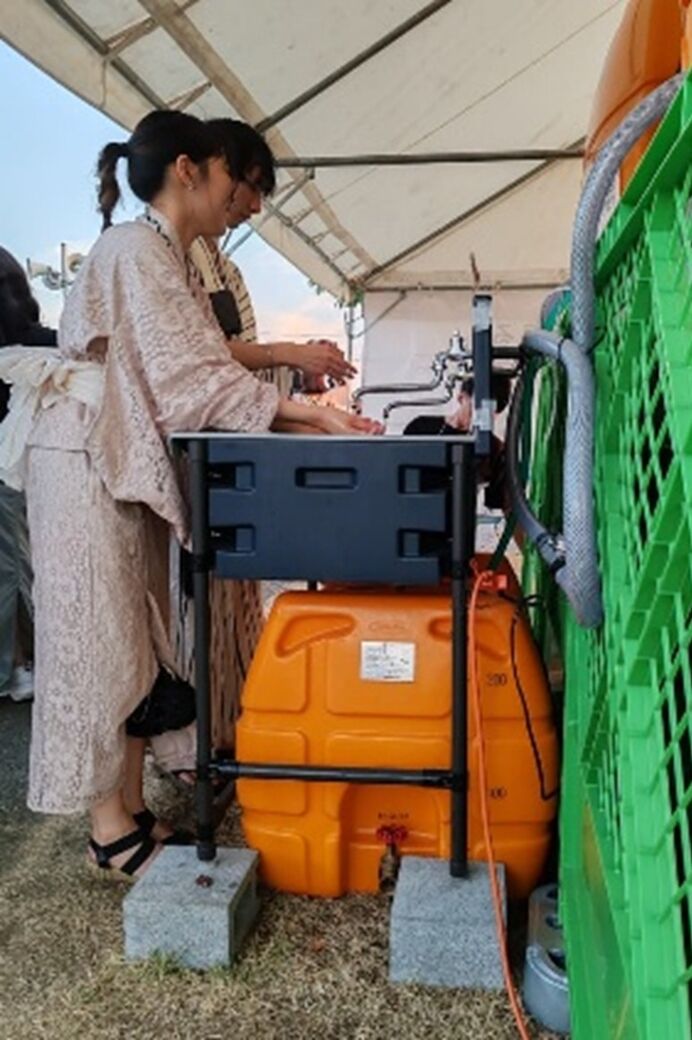
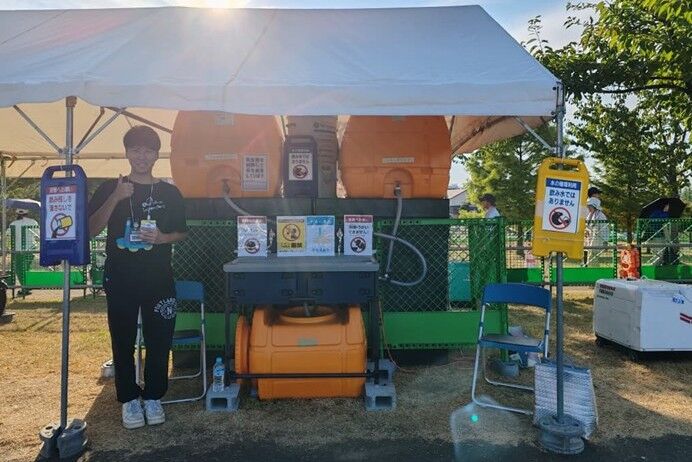
A collaboration between Nagaoka University of Technology, TEPCO and Unityque Inc. has deployed the "biosink," a unit-type water recirculation system. This technology has been a key feature of the festival since 2022 and due to its success, the number of units has grown from two to five for the 2023, 2024 and now the 2025 festivals.
The core of the system is its innovative biological treatment. Unlike traditional methods that rely on chemicals or filters, the "biosink" uses natural microorganisms to purify the water. It operates on a principle similar to how rainwater is naturally filtered through the ground to become clean spring water. This means the system can continuously reuse its water, requires little maintenance and produce no filter waste.
SDG Focus & Impact
SDG 6: Clean Water and Sanitation
If each of the 340,000 attendees (expected-number) were to wash their hands once (40-60 seconds) [1] with a conventional tap (2-5L/min) [2], between 453,333 and 1.7 million liters of clean water would be consumed. The system avoids this massive consumption entirely by using a fixed volume of water.
The water quality was monitored to ensure public health and safety. Tests showed zero presence of pathogenic bacteria like E. coli, confirming the water was clean and hygienic for handwashing. Public understood the system was recirculating water and were comfortable using it, demonstrating social acceptance of this innovative technology.
SDG 7: Affordable and Clean Energy
The system's design reflects a commitment to clean and efficient energy use. This energy-saving design means the units can be powered by a transportable solar panel and battery, ensuring reliable operation even in bad weather or at night.
SDG 12: Responsible Consumption and Production
The project embodies the principles of a circular economy. The units are built to be self-sufficient and reusable, with durable plastic tanks that are deployed and transported year after year, reducing the need for temporary, single-use solutions. Furthermore, the natural materials used as a habitat for the microorganisms can be recycled into fertilizer after the event, creating a truly circular system that minimizes waste.
By saving millions of liters of water and highlighting a practical model for a circular economy, the project honors the festival's history of resilience while providing a clear blueprint for building a more sustainable future.
References:
[1] World Health Organization, “How to Handwash?,” May 2009.
Available: https://www.who.int/docs/default-source/patient-safety/how-to-handwash-poster.pdf?sfvrsn=7004a09d_2
[2] “Things you’ll need What to do.”
Available: https://www.campbelltown.nsw.gov.au/files/sharedassets/public/v/1/local-environment/documents/water-fact-sheet.pdf
August 20–22: Tokyo International Conference on African Development

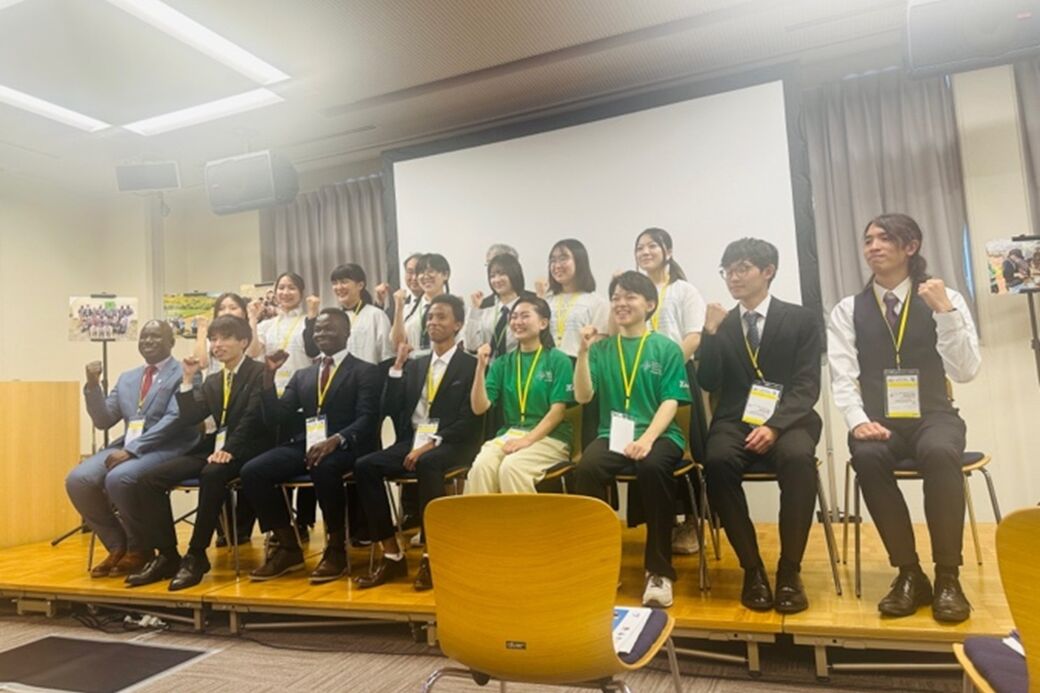
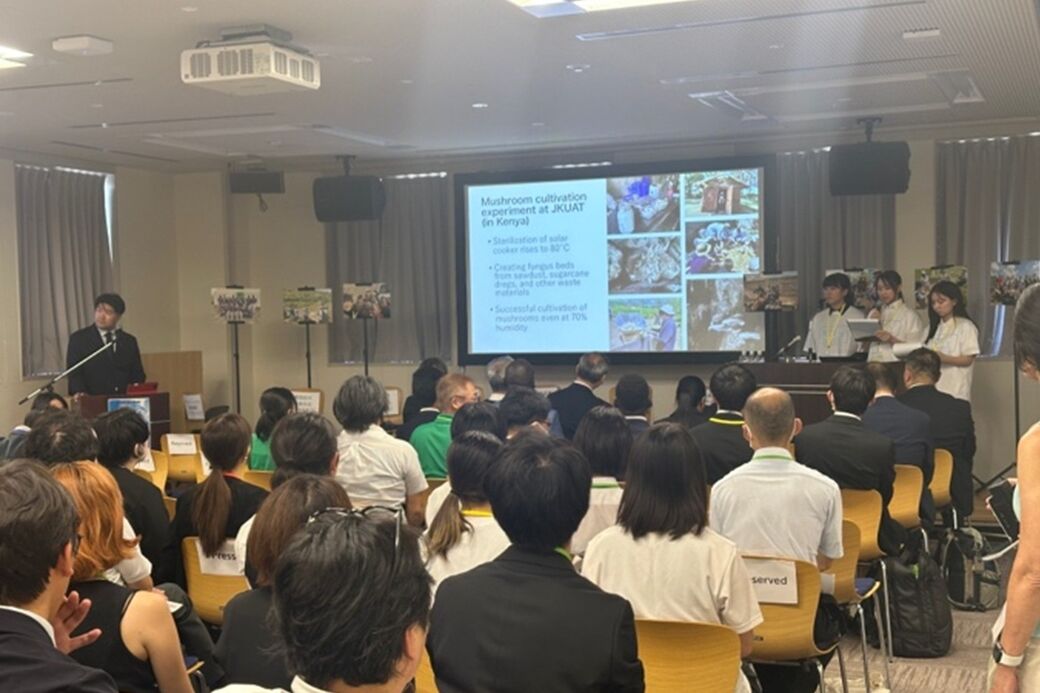
Nagaoka University of Technology (NUT) had the privilege of co-hosting a thematic event of TICAD9 2025, organized by JICA, under the theme “Co-Creation: Power for Shaping the Future.” At the heart of the event was the KOSEN Open Innovation (OI) Challenge, a unique program empowering young minds in Japan and Africa to co-create solutions for global development challenges.
Launched in 2019, the KOSEN OI Program has built strong bridges between Japan and Africa, fostering collaboration between students and local partners to address real-world social issues. The initiative has already produced tangible results, with projects successfully implemented in Kenya and Madagascar, while new initiatives are currently underway in Ghana and Senegal.
This year’s TICAD9 event brought together students from Nagaoka KOSEN, Ube KOSEN, Kisarazu KOSEN, Hakodate KOSEN, and other institutions. Their project showcases reflected a spirit of innovation and social responsibility, demonstrating how technical knowledge and creativity can drive impactful change in a sustainable manner.
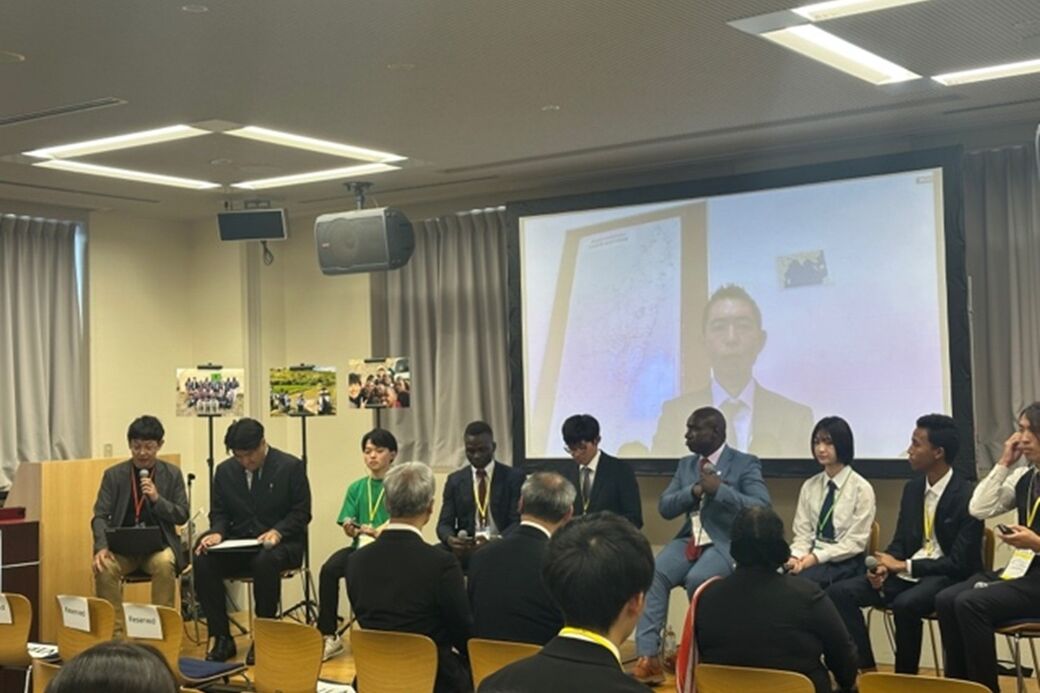
A panel discussion and interactive Q&A session further enriched the program, as students shared their insights, challenges, and experiences from working across cultures. Their stories highlighted the value of empathy, adaptability, and teamwork in solving pressing global issues.
For NUT, it was a great honor for our students and faculty to be actively involved in organizing this impactful event. This reaffirmed NUT’s role as a hub for environmental innovation and international collaboration. Moving forward, NUT remains committed to accelerating progress toward the Sustainable Development Goals through active engagement in international platforms like TICAD and beyond.

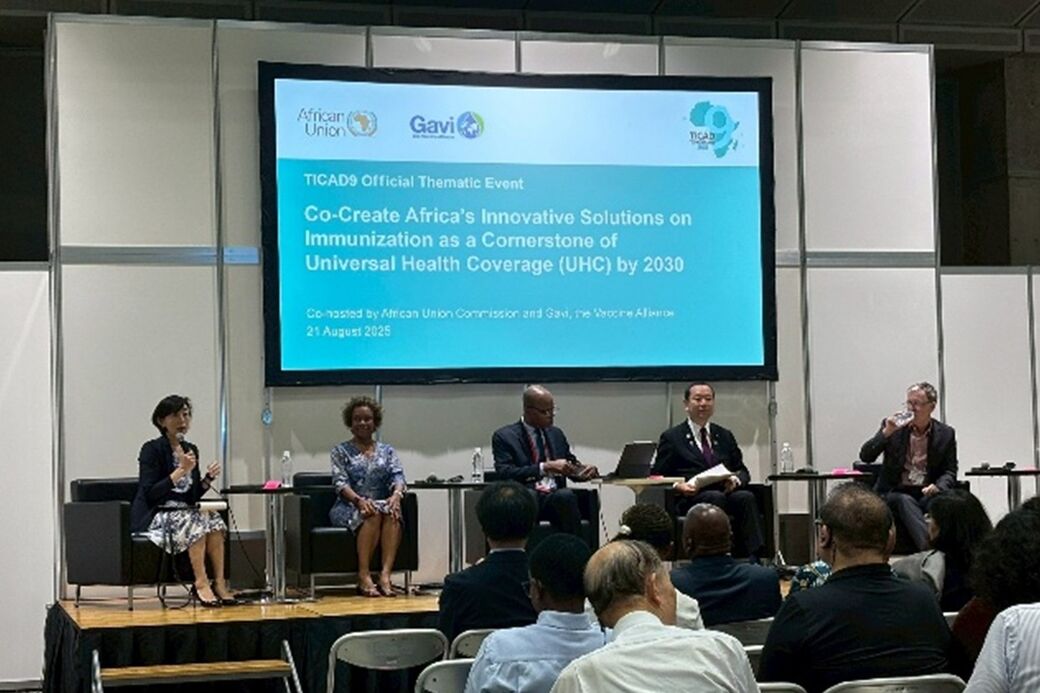
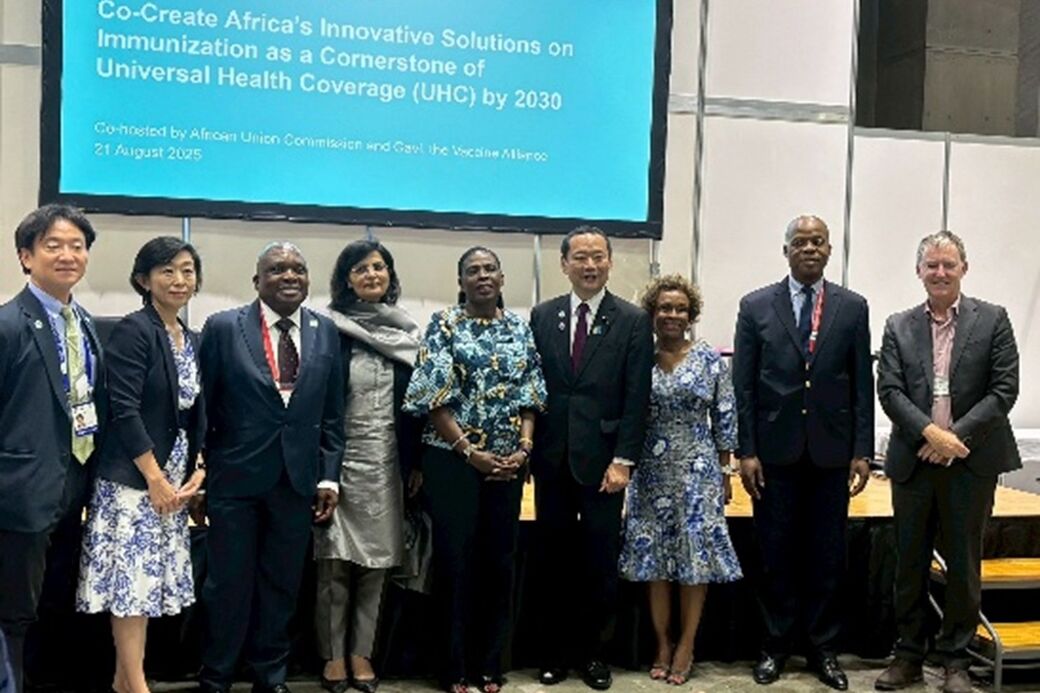
On the occasion of TICAD 9 in 2025, the African Union Commission (AUC) and Gavi, the Vaccine Alliance, co-hosted a high-level side event titled: “Co-Create Africa’s Innovative Solutions on Immunization as a Cornerstone of Universal Health Coverage (UHC) by 2030.”
According to the keynote speech of the session, it was emphasized that the 2030 target for achieving Universal Health Coverage (UHC) and the Sustainable Development Goals (SDGs) is critical. Africa’s progress in building resilient health systems, expanding immunization coverage, and fostering regional vaccine manufacturing is notable, despite facing various practical challenges. Other panelists in the session underlined that the strong commitment of the involved parties has enabled them to overcome difficulties, such as those encountered during the introduction of the HPV vaccine to Africa initially, due to a lack of a scientific approach. Co-creative strategies have played a vital role in helping both Japan and Africa develop strategic solutions. Africa is progressing towards improved health emergency response and resilience, supported by Japan’s technology and financial aid through exceptional leadership, universal access, and commodities in immunity, with promising results.
Additionally, this session highlighted the crucial role of partnership with Japan, both in the Public and Private sectors, in advancing health equity and contributing to Africa's Agenda 2030.
In the closing remarks by the state minister Fuji highlighted Japan will continue to support Gavi as a key partner and greatly appreciates its crucial role in promoting equitable access to vaccines and helping core organizations like the WHO realize UHC. He added that Japan plans to support initiatives based on the "Africa Health Investment Promotion Package" to address Africa's present health issues, which include attracting steady investment in the continent's health sector.
November 4: Visit to Niigata University of Pharmacy and Medical and Life Sciences

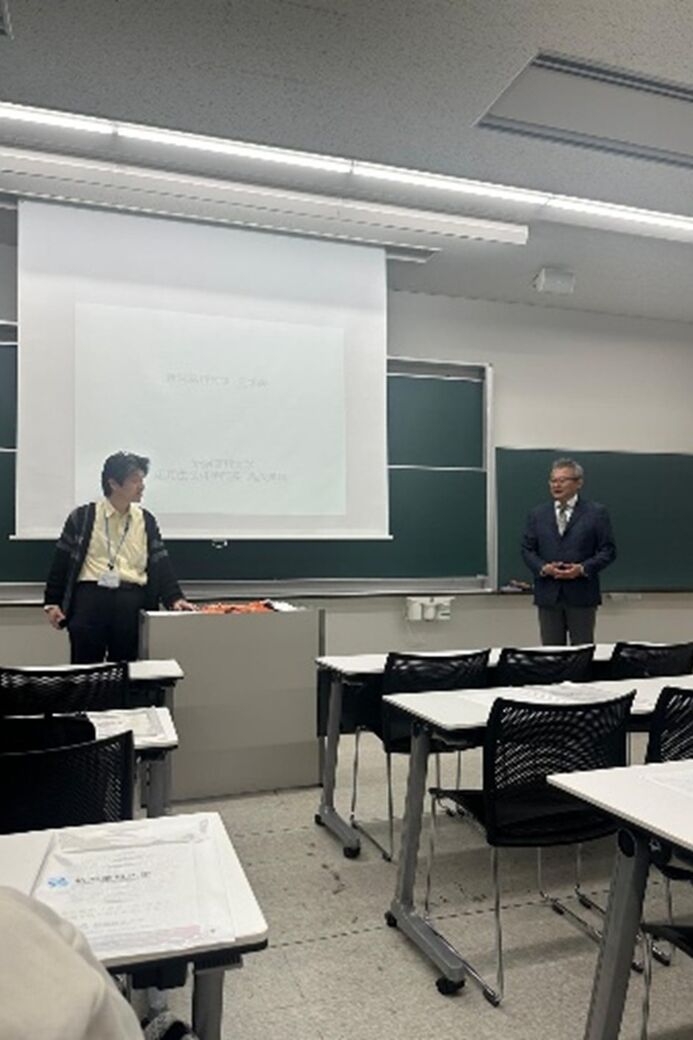
Collaboration between universities can significantly upgrade the field of education, ultimately paving the way for a more innovative and sustainable future. Universities play a crucial role in providing a high standard of education, and when they collaborate, the quality of teaching, learning, and research is greatly enhanced.
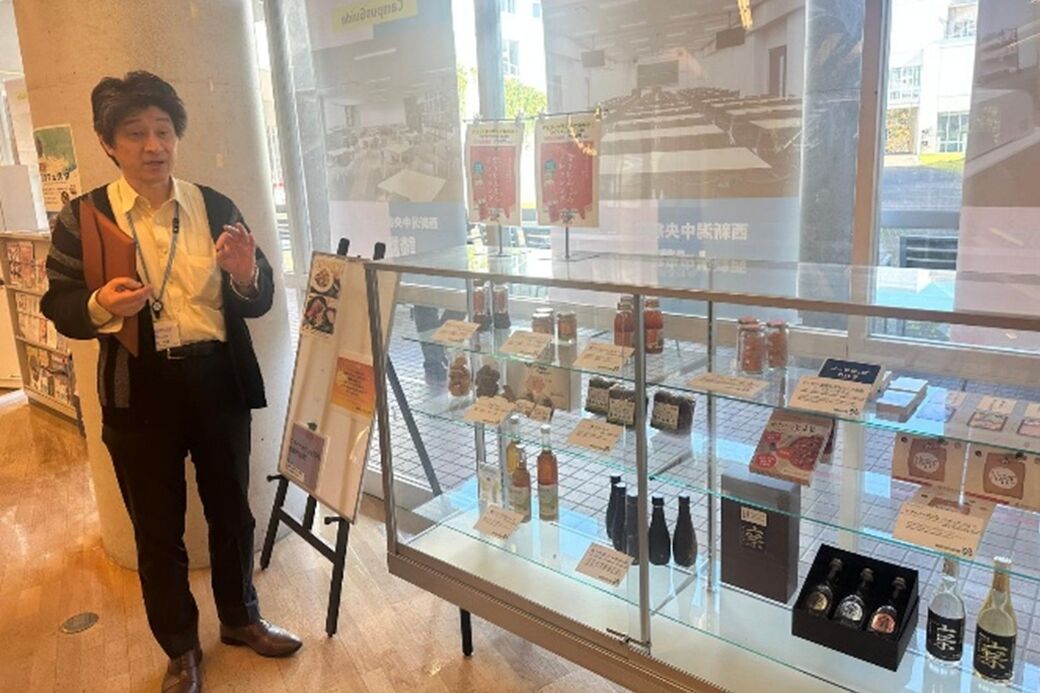
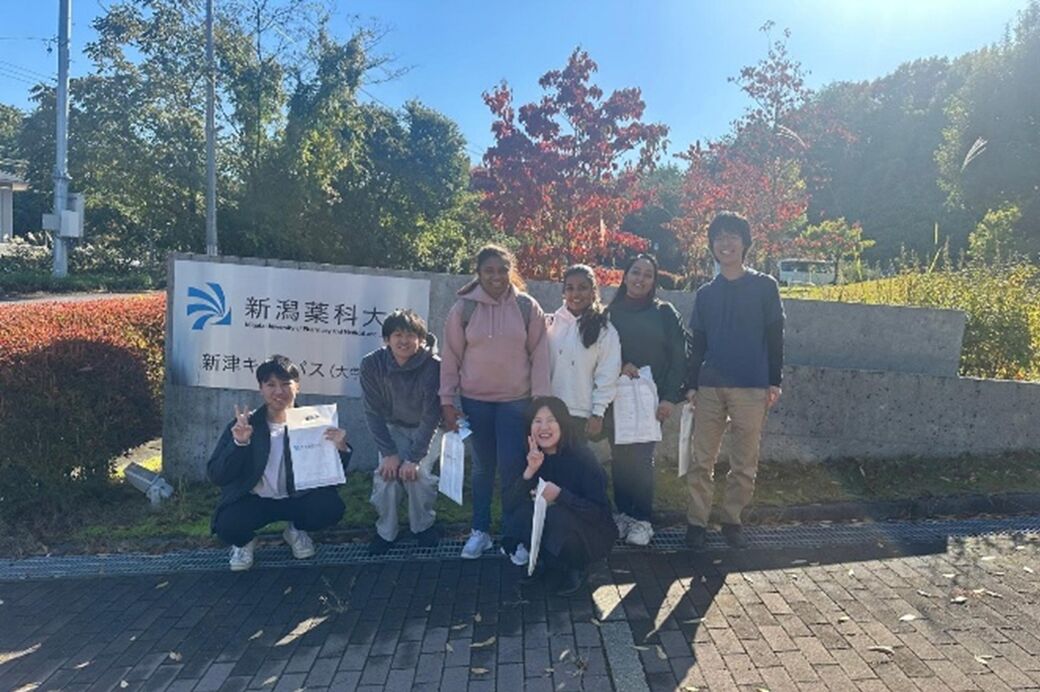
The visit to Niigata University of Pharmacy, Medical, and Life Sciences helped to create a strong bridge with Nagaoka University of Technology, enabling both institutions to build a better research environment together. By introducing their potential in key research areas such as food science, life science, environmental sciences, and agriculture, the visit opened doors for future joint projects and student–researcher exchanges.
The highly equipped laboratories and diverse research themes clearly demonstrated how Nagaoka University of Technology can collaborate on scientifically grounded research studies that contribute to a more sustainable society.The visit also highlighted how the JPEAKS collaboration strengthens research potential and expands networks not only within academia but also with industry partners.
Through the opportunity we received as SDGs promoters, we gained a deeper understanding of how collaborative research areas can be expanded in the future through exchanges, laboratory visits, and shared initiatives. This experience encouraged us to think beyond the boundaries of a single institution and to recognize the importance of partnerships in solving real-world problems. It also motivated us to connect our own research interests with those of other universities and industries, making collaboration not just an academic activity, but a pathway toward achieving the Sustainable Development Goals.
November 11: 10th STI-Gigaku 2025

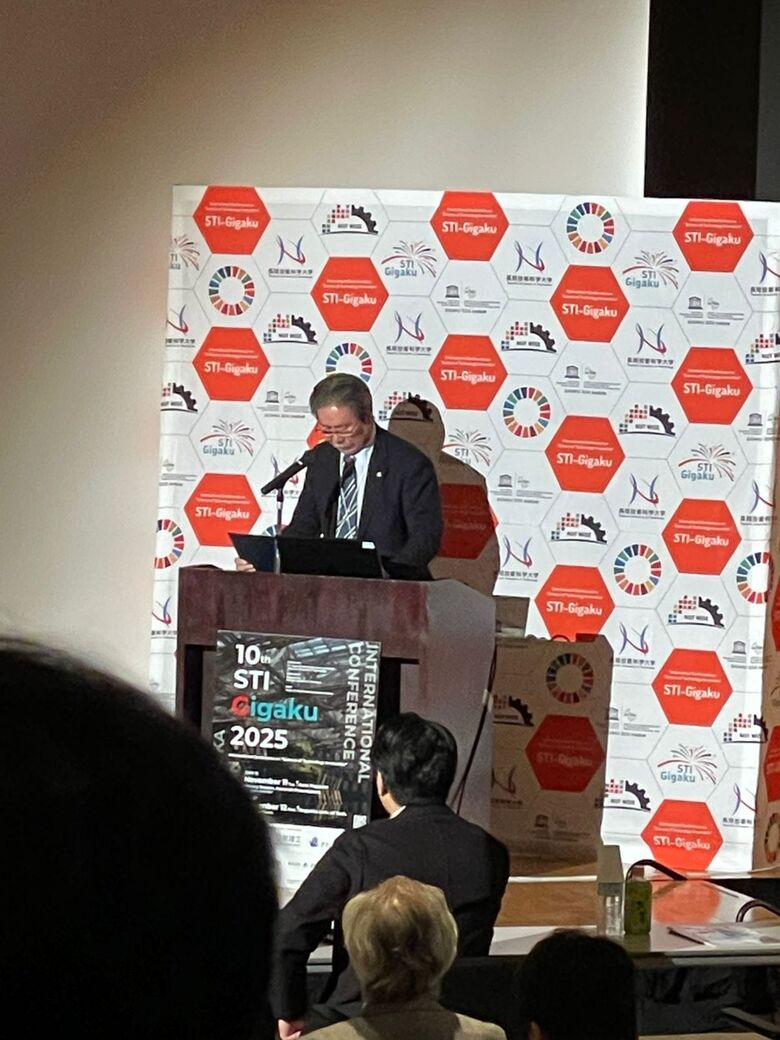
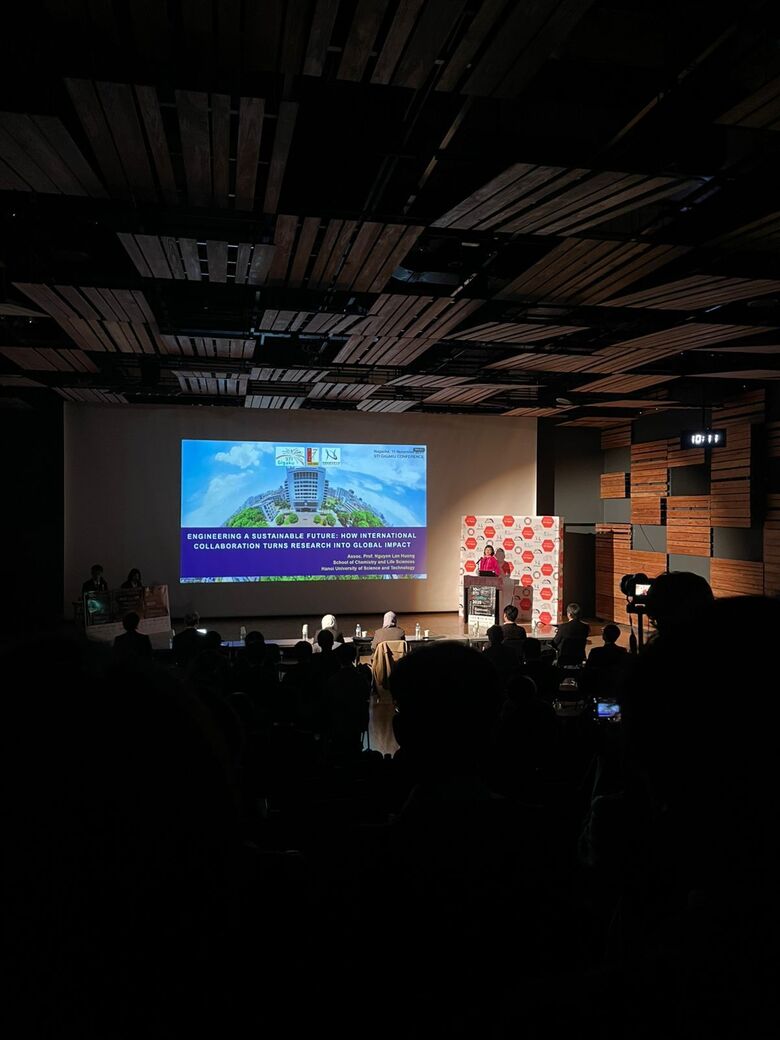
STI-Gigaku (International Conference on Science of Technology Innovation) is a student-led annual conference organized by Nagaoka University of Technology (NUT) since 2016, dedicated to advancing the United Nations Sustainable Development Goals (SDGs). The conference brings together universities, KOSEN institutions, companies, research organizations, and local communities to share research achievements and collaborate on global challenges. The keynote session featured many interesting speeches from several guests.
Each research presentation explicitly identifies primary and secondary SDG targets, ensuring direct alignment with the 2030 Agenda. The conference addresses critical issues including energy, climate change, poverty, hunger, and sustainable development, with particular emphasis on SDG 9; Industry, Innovation and Infrastructure and SDG 17; Strengthen the means of implementation and revitalize the Global Partnership for Sustainable Development, as NUT serves as the UNAI SDG Hub for these goals.
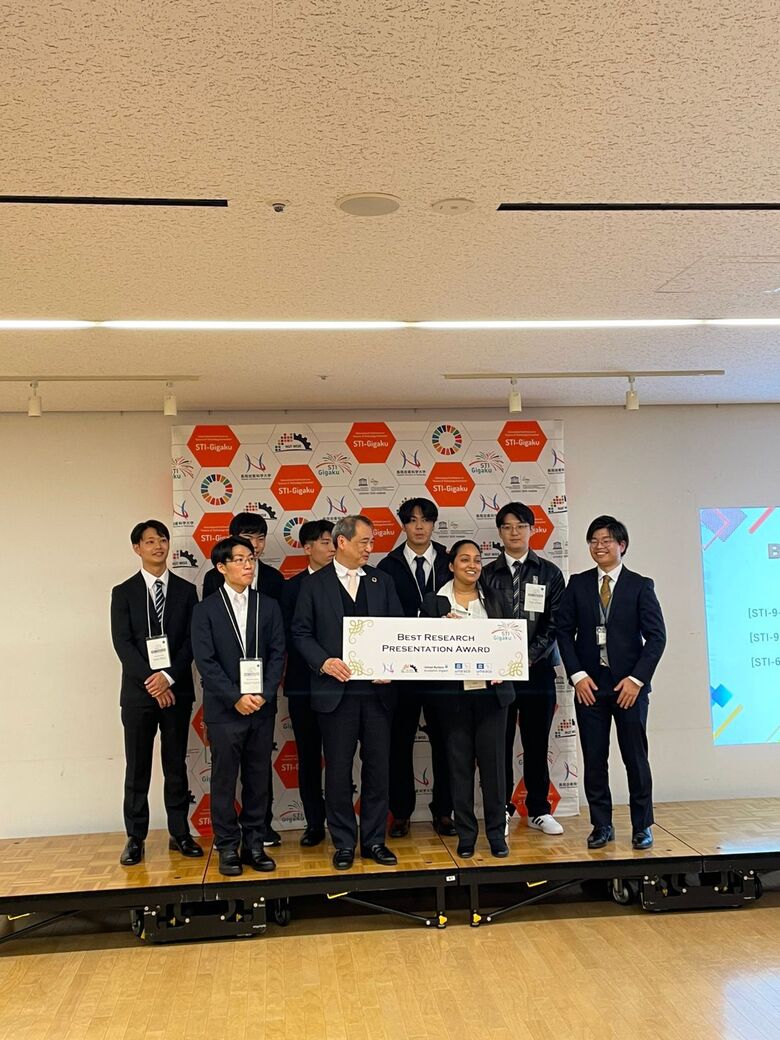
The 10th STI-Gigaku 2025 attracted 393 participants and featured 152 research presentations. Outstanding research receives recognition through selecting best research presentation awards by Nagaoka University of Technology and by partner companies including the prestigious Sumitomo Riko Company Limited Award, Sanki Engineering Company Award and Sawakami asset management Inc. Award. Furthermore, all presenters are offered the opportunities for publication in the peer-reviewed Transactions on GIGAKU journal.
STI-Gigaku exemplifies successful multi-stakeholder collaboration for sustainable development. Through student leadership, international partnerships, and systematic SDG alignment, the conference demonstrates how higher education institutions can serve as catalysts for achieving the 2030 Agenda. The initiative provides a replicable model for universities worldwide seeking to operationalize their SDG commitments through action-oriented research, capacity building, and cross-sector partnerships.
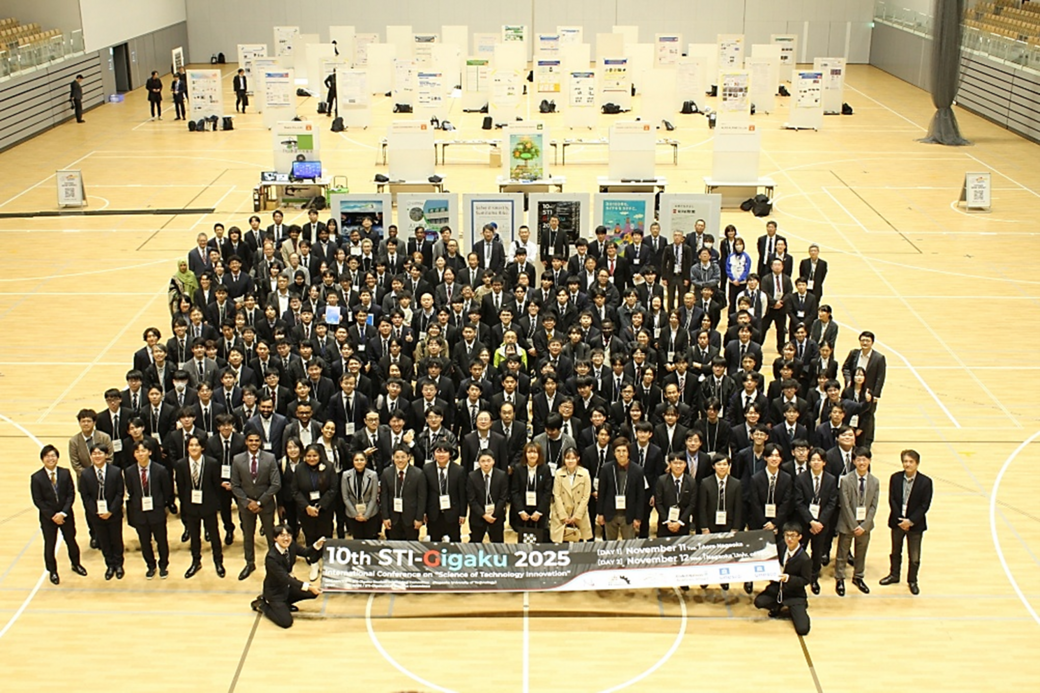
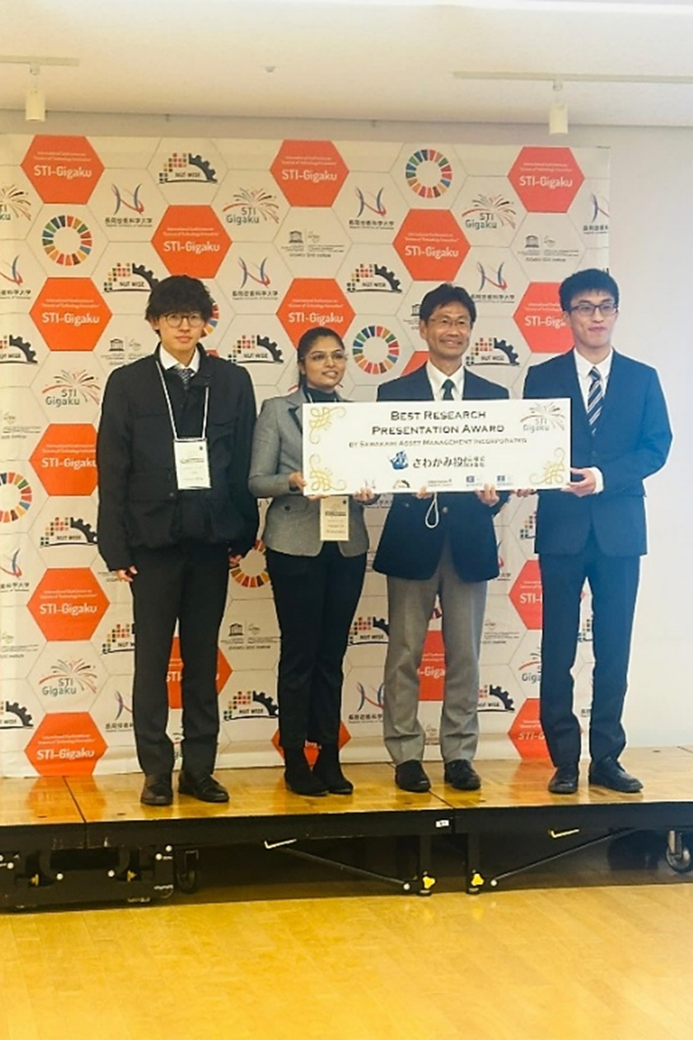
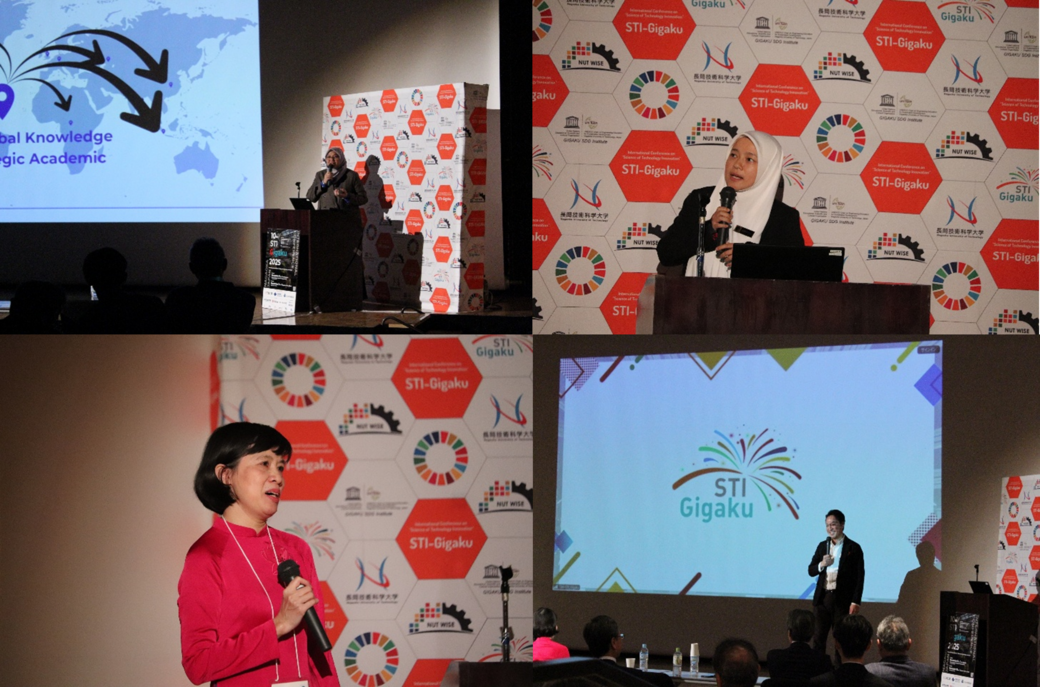

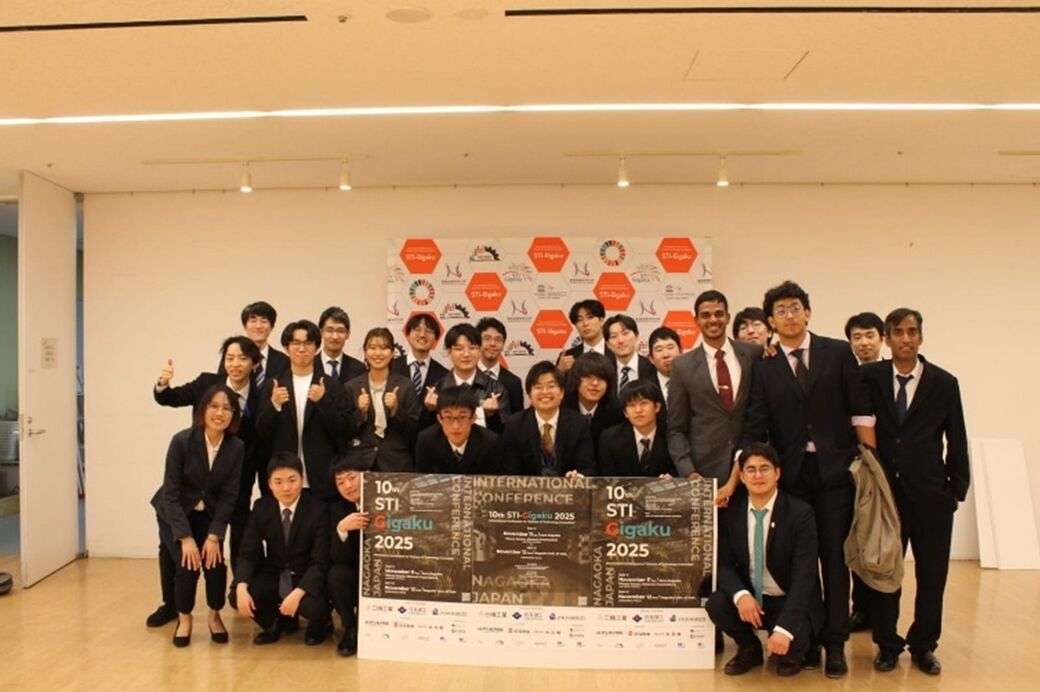
The 10th STI-Gigaku 2025 conference strongly embodies the spirit of the Sustainable Development Goals (SDGs) by positioning engineering, innovation, and education as practical tools for solving global and regional challenges. Hosted by Nagaoka University of Technology in collaboration with KOSEN, partner universities, and industry, the conference provides a platform for students, researchers, and companies to jointly explore solutions related to clean water and sanitation, affordable and clean energy, quality education, resilient infrastructure, and good health and well-being.
Through keynote lectures, SDG-focused research presentations, and international collaborative programmes, participants are encouraged not only to present technical achievements but also to evaluate how their work contributes to social impact, sustainability, and “Beyond SDGs” thinking. The university’s commitment is further demonstrated by initiatives such as the GIGAKU SDG Institute, its designation as a UNAI SDG 9 Hub University, and its recognition under UNESCO Chairs and UNITWIN networks, which together promote practical, globally connected engineering education.
By emphasizing student-led organization, multicultural learning, and close cooperation with companies, STI-Gigaku nurtures future engineers who can integrate technical excellence with ethical responsibility, environmental stewardship, and inclusive development. In this way, the conference serves as a living laboratory for SDG implementation, transforming abstract goals into concrete actions, partnerships, and technologies that can be deployed in communities worldwide.
The second day was dedicated to lab tours, providing an opportunity for young researchers to gain insight into the facilities available in NUT laboratories for conducting research studies.
Thus, all these attempts have highlighted how engineering-based research studies contribute to creating a sustainable future with their own potential.

The 10th STI Gigaku 2025 performed as a platform for academic dialogue, innovation, and collaboration, effectively helping advance the SDGs.
Bringing together students, researchers, academics, and industry onto the same platform, this conference and its proceedings highlight the onto importance NUT places on SDG achievement.
The sessions started for the 1st day with 4 compelling plenary talks, addressing critical themes such as clean energy (SDG7), sustainable industry (SDG9), and climate action (SDG13). The audience were invited to think of how engineering, science, and local action can directly contribute to solving global challenges. Of great interest was how the speakers promoted globally relevant solutions performed on the local stage, a great inspiration for the audience in their own personal endeavouxfrs.
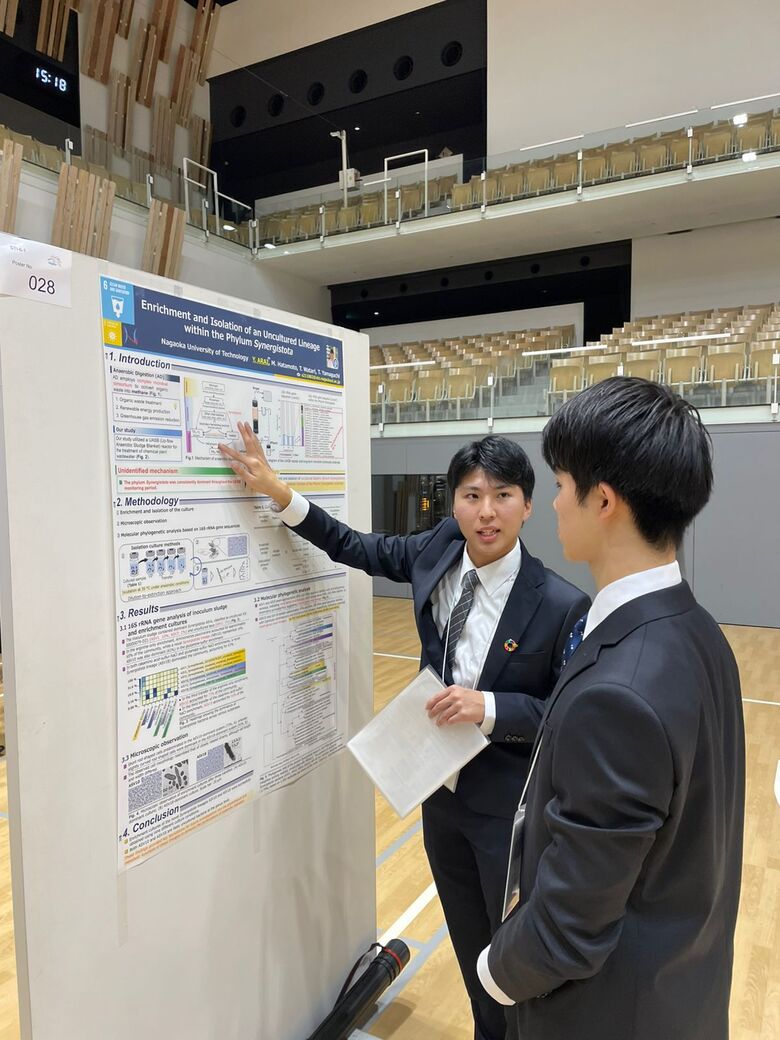
Next, the Poster Presentation Session displayed varied research, very interesting was how each poster included the SDGs it affected. The presenters did not just display academic research, they also showed how these ties in with achieving the SDGs. This clearly demonstrated the creativity and commitment of these student researchers towards the SDGs.
Finally, the networking dinner and lab tours forged valuable connections, sharing of experiences, and a behind-the-scenes look at how NUT uses cutting edge research facilities to work on real-world applications of SDG principles.
By combining research, education, and community interaction, this conference reaffirms NUT's shared responsibility to accelerate progress towards the SDGs.
January 27: Youth-Led Engineering Initiatives for SDGs

Nagaoka University of Technology (NUT) organized an insightful hybrid session on January 27, 2026, focusing on SDG 9. This aims to build resilient, sustainable infrastructure, promote inclusive industrialization, and foster innovation to solve global challenges. The event highlighted that youth are not just future beneficiaries but also leaders in evolving plans to tackle global challenges with practical solutions.
In the keynote lecturer by Rector Thilizi Marwala of the United Nations University, it was highlighted how engineering, AI-based smart research and data analysis, are applied to solve real regional problems in both developed and developing countries. Discussions centered on creating sustainable, smart urban infrastructure and community-centric planning to reduce climate change impacts, which effectively link engineering knowledge to pressing social challenges.
The session also showcased practical initiatives such as the STI-Gigaku conference, the JICA KOI Challenge in Africa, and SDGs Promoter activities.
These "Youth-Led Engineering Initiatives" are acting as a bridge to connect theoretical knowledge with the social demanding challenges of today. The event concluded with a call to action for global agendas and practitioners to further incorporate youth voice into global policy, ensuring that the infrastructure of tomorrow is built on the creativity and technological literacy of the next generation.
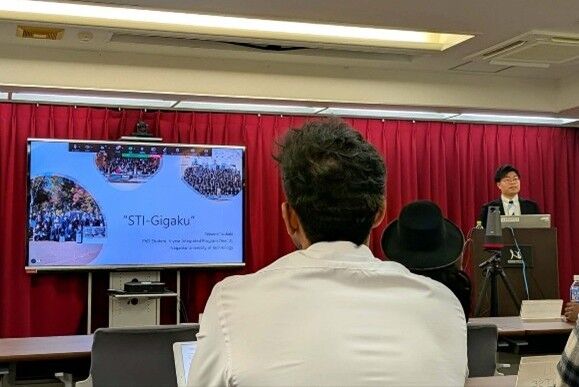
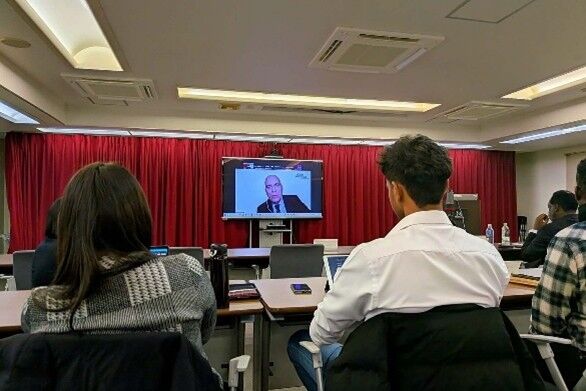

The virtual session on Youth-Led Engineering Initiatives for SDG 9 highlighted how students are actively contributing to resilient infrastructure, innovation, and sustainable industrial development by addressing regional and global challenges. The event emphasized the importance of youth leadership, community collaboration, and practical engineering approaches aligned with local needs.
The session opened with remarks by Professor Takashi Yamaguchi, who stressed the role of industry–academia–community collaboration in achieving the SDGs. This was followed by a keynote address by Professor Tshilidzi Marwala, Rector of the United Nations University, who underscored the critical role of engineering education and innovation in sustainable development and the future.
Student-led initiatives were a central focus of the program. Presentations on the international conference STI-Gigaku, the KOI Challenge (JICA Open Innovation Challenges from Africa), and SDGs Promoter Activities showcased concrete examples of how students apply engineering knowledge to real-world issues through international and domestic collaboration. Partner universities also shared their activities, highlighting cross-border cooperation and knowledge exchange.
Overall, the session demonstrated how hands-on, student-driven engineering initiatives can effectively connect technical expertise with societal challenges, contributing to SDG 9 both in Japan and internationally.

A discussion session titled “Youth-Led Engineering Initiatives for SDG9: Addressing Regional Challenges Domestically and Internationally” was held on January 27, beginning at 3:00 PM (JST), in a hybrid format, with onsite participation at the Administrative Building No. 1, Nagaoka University of Technology (NUT), and online participation via Zoom. The event was organized as a side event to highlight student-led engineering initiatives contributing to the achievement of Sustainable Development Goal 9 (SDG 9).
The session was attended by Japanese and international students, academics, and practitioners, reflecting the global and interdisciplinary nature of the discussions. The event was formally opened with welcome remarks delivered by Prof. Takashi Yamaguchi, Special Presidential Aide for Industry–Academia Collaboration, Regional Collaboration and SDGs at NUT.
Prior to the keynote lecture, a roundtable discussion was conducted between Prof. Dr. Tshilidzi Marwala, Rector of the United Nations University and United Nations Under-Secretary-General, and the student SDG promoters of NUT. During this interactive exchange, perspectives were shared on the role and importance of the SDGs, as well as the practicality and challenges associated with their implementation across different countries and community contexts. Ideas were also exchanged on improving public awareness, strengthening youth engagement, and enhancing the efficiency of SDG-related actions, particularly through education, technology, and community-based initiatives. The discussion was characterized by open dialogue and mutual learning between students and global leadership.
Following the roundtable discussion, the keynote address was delivered by Prof. Dr. Tshilidzi Marwala. In the lecture, the mandate and global role of the United Nations University (UNU) were outlined, with emphasis placed on its contribution to capacity building, policy-relevant research, and sustainable development. Particular attention was given to the transformative role of artificial intelligence (AI) in advancing the SDGs. The potential of AI to support evidence-based decision-making, innovation, and inclusive development was highlighted, as was the responsibility to ensure the ethical and equitable application of emerging technologies.
Subsequently, student-led initiatives were introduced, showcasing practical engineering approaches aligned with SDG 9. Activities of the STI-Gigaku International Conference were presented, followed by an introduction to the KOSEN Open Innovation (KOI) Challenges, which focus on collaborative problem-solving with partners in Africa through JICA-supported programs. The SDGs Promoter activities were then presented, demonstrating how students actively connect engineering knowledge with real-world social and regional challenges. The session concluded with presentations from partner universities, emphasizing international collaboration and shared learning.
The event was concluded with closing remarks delivered by Mr. Osamu Yamashita, Executive Director and Vice President of NUT, during which the importance of sustained collaboration among students, universities, local communities, and international institutions was reaffirmed.
Overall, the session served as a platform where youth leadership, engineering education, and global sustainability agendas were effectively connected. Through dialogue, shared experiences, and institutional collaboration, the role of students as active contributors to resilient infrastructure, innovation, and sustainable development was strongly reinforced.
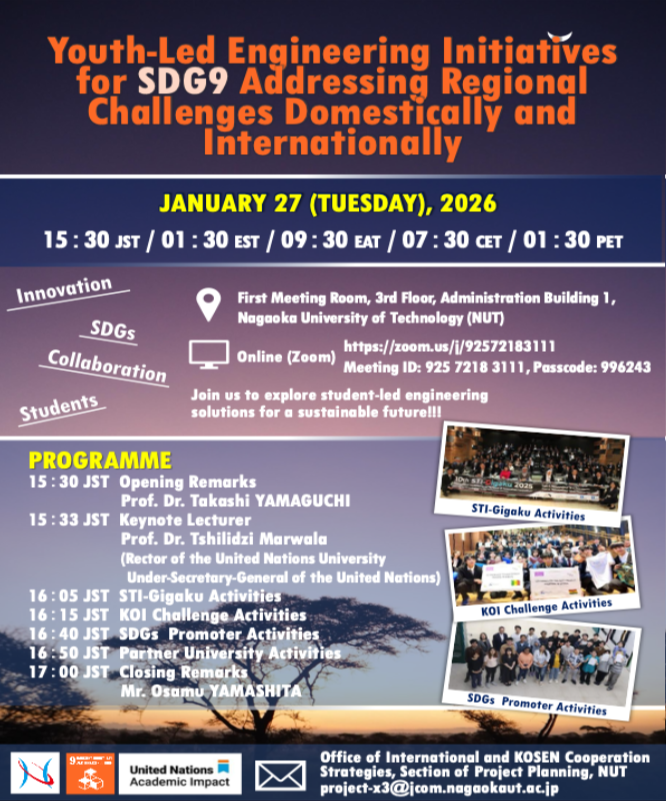

The event titled “Youth-Led Engineering Initiatives for SDG 9: Addressing Regional Challenges Domestically and Internationally” was held as a hybrid event, both onsite and online, to introduce student-led engineering initiatives that contribute to sustainable development. The event focused on how young engineers address regional challenges through domestic and international collaboration in engineering education.
The session began with opening remarks by Prof. Dr. Takashi Yamaguchi of Nagaoka University of Technology, followed by a keynote lecture by Prof. Dr. Tshilidzi Marwala, Rector of the United Nations University. He introduced the role of the United Nations University as a think tank and academic institution that supports solutions-focused research and global human resource development.
Student-led initiatives such as the international conference STI-Gigaku, the KOSEN Open Innovation Challenge (KOI Challenge), and SDGs Promoter activities were presented. Through the KOI Challenge, students proposed innovative solutions to real-world problems in African countries, including 1. Safi box (Increasing fish value with baking soda), 2. Save Cocoa from Crisis: (cacao cultivation). These examples demonstrated how engineering education can be directly connected to regional and global needs.
The session highlighted the importance of youth participation, collaboration with local communities, and hands-on engineering activities in achieving SDG 9. It also showed how hybrid events can effectively promote knowledge sharing and international cooperation toward sustainable development.
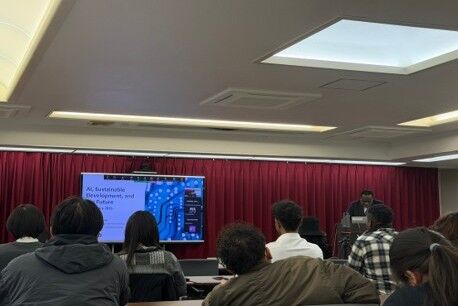

The event was organized to highlight NUT’s role as an innovation hub advancing the Sustainable Development Goals (SDGs) through research, education, and stakeholder collaboration. The program opened with a roundtable session that was particularly impactful and thought-provoking, giving students space to share ideas and reflect on how SDG principles can shape future society and career pathways. A keynote lecture was delivered by Prof. Dr. Tshilidzi Marwala, Rector of the United Nations University, which operates under the leadership of the United Nations Secretary-General. His talk emphasized how Artificial Intelligence (AI), as his field of expertise, is contributing to solutions for complex global challenges, including AI-assisted disease identification in healthcare, climate modelling to support agricultural planning, and data-driven approaches to urban development. The lecture was highly motivating because it connected engineering knowledge to real-world impact and demonstrated that technical expertise can be a practical driver of progress across multiple SDG targets. In addition, the introduction to the United Nations University resonated with me, as it reinforced the importance of research that addresses global issues in an applied manner and supports measurable progress through appropriate monitoring and evaluation. NUT’s ongoing initiatives also received strong recognition, and the related presentations were clearly organized under STI-Gigaku Activities, KOI Challenge Activities, and Partner University Activities, showcasing a coherent and collaborative approach to SDG implementation.
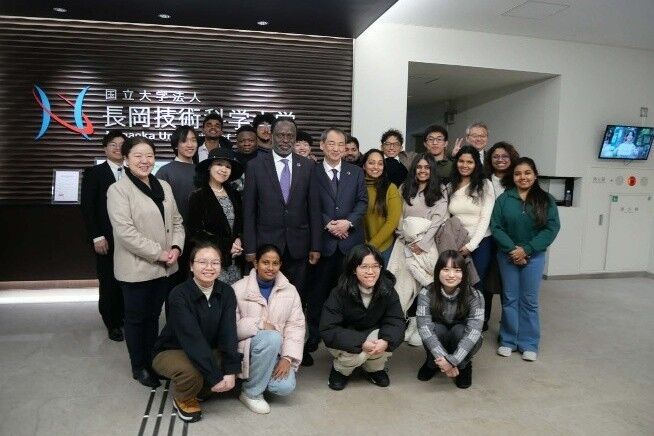
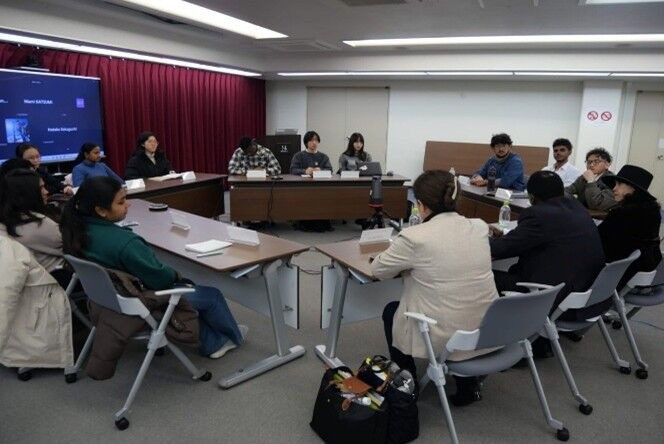

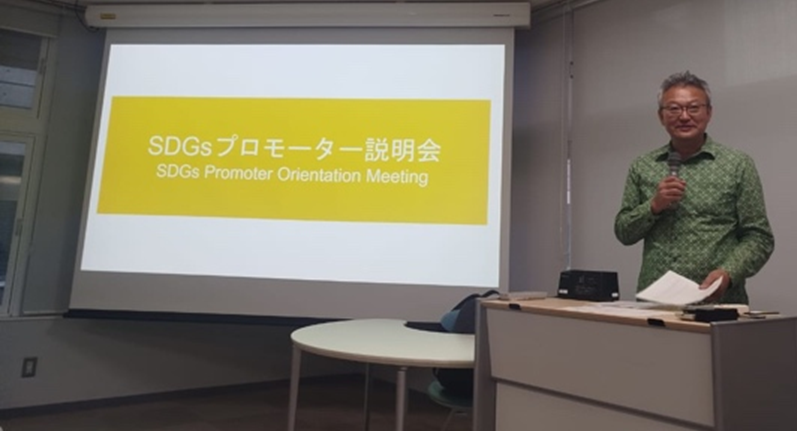
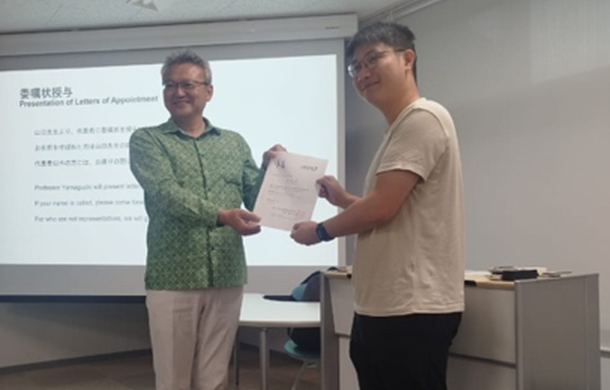
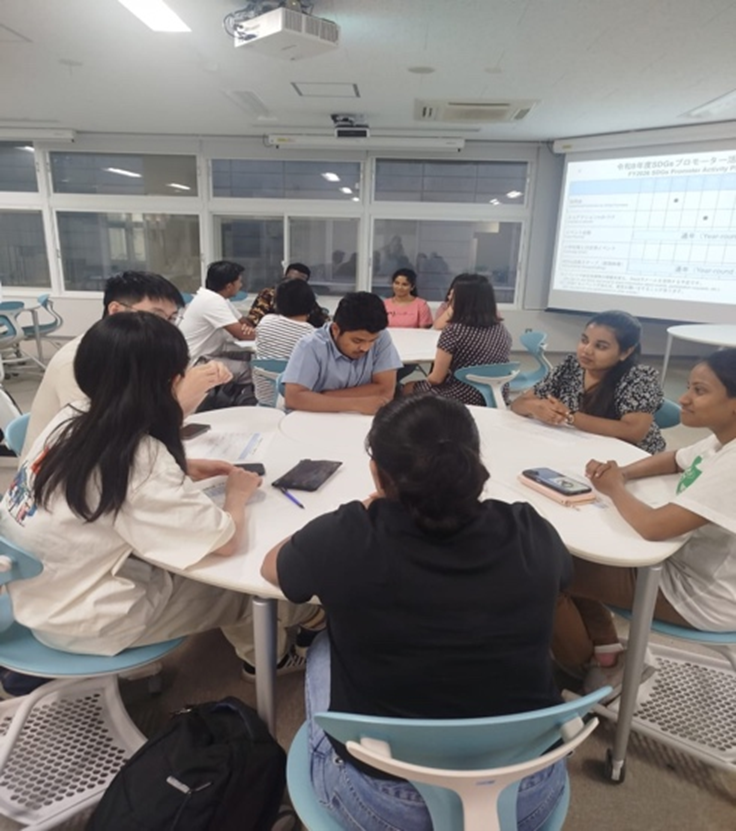
The SDGs Promoter Orientation Meeting for FY2026 was held on Thursday, June 18, 2026, from 18:00 to 19:00, at Canon Tokki ACADEMIA AL1, chaired by Prof. Takashi Yamaguchi. The session brought together existing and newly registered SDGs Promoters, welcoming all members for the new fiscal year, including 12 newly appointed promoters. The program opened with welcome remarks from Prof. Yamaguchi, followed by the Appointment Ceremony for SDGs Promoters. Prof. Yamaguchi then outlined the purpose and vision of the SDGs Promoter Programme, sharing plans for the coming year, which will emphasize research and innovation-based knowledge dissemination, alongside general awareness initiatives and annual community engagement activities. A group photo and Q&A session followed, after which a brainstorming session was conducted by promoters. Participants proposed numerous ideas to advance research, science communication, school and community engagement, cultural diversity appreciation, mental health promotion, and more interactive SDGs outreach events. The orientation concluded on a positive note, with strong enthusiasm shown by both new and returning promoters for the year ahead.
お問い合わせ
大学戦略課 国際・高専連携戦略室 プロジェクト企画係
〒940-2188 新潟県長岡市上富岡町1603-1
電話:0258-47-9021 FAX:0258-47-9283